If you live in Bournemouth, you already know how quickly the weather can change. One moment the sky is bright, the next it’s pouring down, and your roof takes the brunt of it. Most homeowners don’t think about their roof until something goes wrong. By the time the signs appear, the damage is usually well underway. Over the years of working with both residential and commercial roofing across Bournemouth, one thing has become clear: most roofing problems start small, but they don’t stay small for long.
In this guide, we’ll look at the issues we see most often, why Bournemouth homes are particularly vulnerable and what you can do to protect your property before minor damage becomes a major expense.
Why Bournemouth Homes Face Unique Roofing Challenges
Living on the coast has plenty of benefits, but the weather isn’t always one of them. Bournemouth’s salty air, heavy rainfall and strong winds create conditions that speed up wear and tear. Even brand-new roof installations can struggle if they aren’t fitted properly or maintained over time.
Many of the calls we receive come from homeowners who spotted a small leak, a loose tile or damp patches in the loft. These little signs often lead to much bigger problems, especially in older properties scattered across the town.
1. Leaking Roofs: The Most Common Culprit
If there’s one issue we deal with more than anything else, it’s leaks. They can come from cracked tiles, damaged flashing or worn-out membranes on flat roofs. In Bournemouth, heavy rain combined with strong coastal winds pushes water into places it shouldn’t be, which is why leaks often appear suddenly.
A homeowner in Southbourne recently noticed a faint watermark on a bedroom ceiling. Within a week, it had grown into a dark stain. When we inspected the roof, we found that a single slipped tile had allowed rainwater to run underneath the battens. The fix itself wasn’t complicated, but the internal damage added unnecessary cost. This is why catching leaks early makes all the difference.
2. Damaged or Missing Tiles
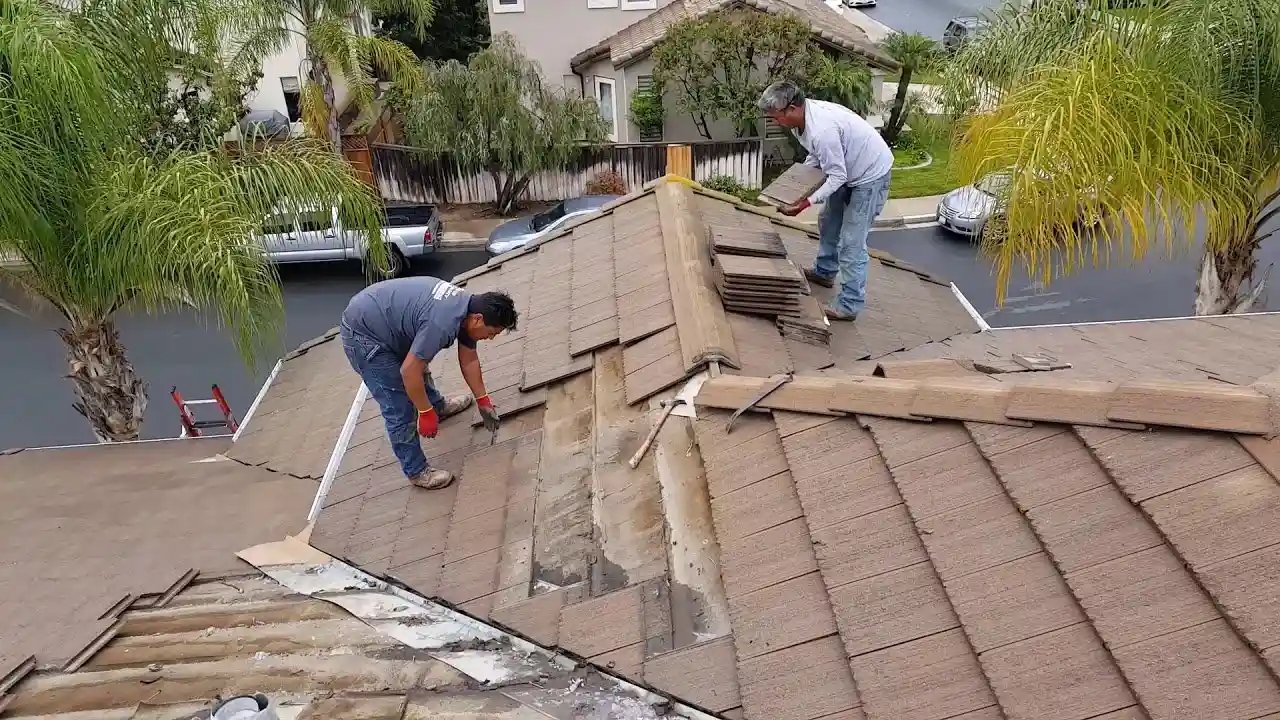
Strong gusts along the seafront and open areas like Boscombe can easily lift tiles. Clay and slate tiles are durable, but no material is immune to Bournemouth’s coastal winds. Once a tile goes missing, the roof becomes exposed to the elements, allowing moisture to seep into the underlay.
It’s not unusual to find loose tiles after a storm. A quick visual check from the ground can reveal gaps, uneven rows or debris that has fallen into the garden. If you run a commercial roofing site, missing tiles can be even more expensive, as they often affect larger surface areas.
3. Blocked or Damaged Gutters
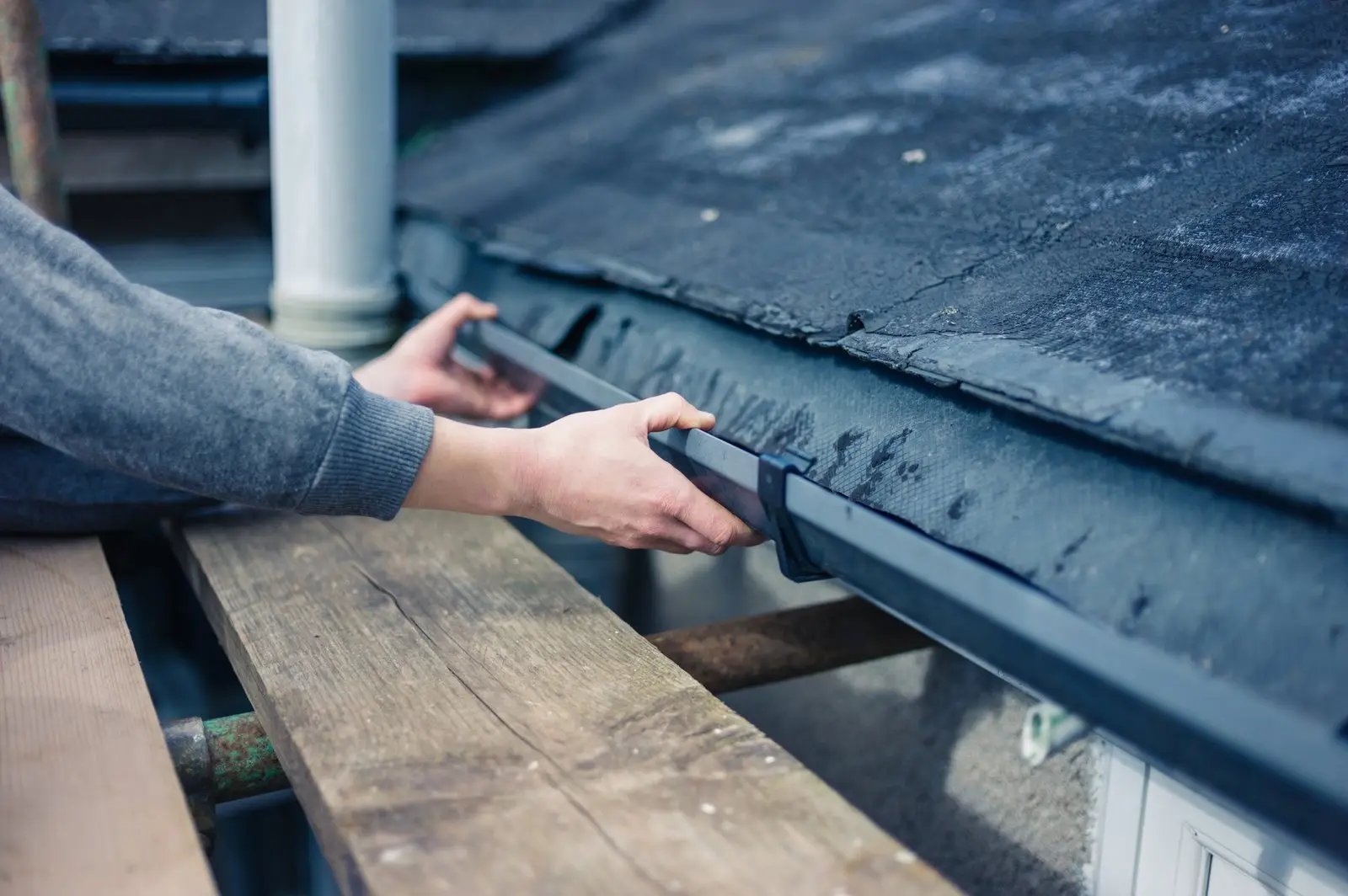
Gutter services are one of the most overlooked but essential parts of roof maintenance. When gutters clog up with moss, leaves or coastal debris, rainwater has nowhere to go. Instead, it overflows, often running down walls or backing up into the roofline.
In Bournemouth’s leafy areas like Charminster and Winton, gutter problems are especially common during autumn. Overflowing gutters can lead to damp walls, mould growth and even foundation issues. Most of the damp problems homeowners report begin with something as simple as neglected guttering.
4. Flat Roof Wear and Tear
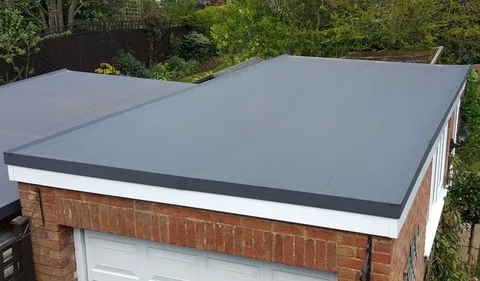
Many Bournemouth properties, particularly extensions and commercial buildings, rely on flat roofs. While modern materials are much more reliable, older flat roofs struggle with ponding water, membrane deterioration and UV exposure.
We were called to a shop near Westbourne where the owners noticed water pooling after every heavy shower. The flat roof had begun to sag slightly, causing water to sit in one spot rather than drain away. Over time, this created cracks in the surface, resulting in leaks inside the property. Regular inspections would have caught the issue long before it caused expensive interior repairs.
5. Poor Roof Installations
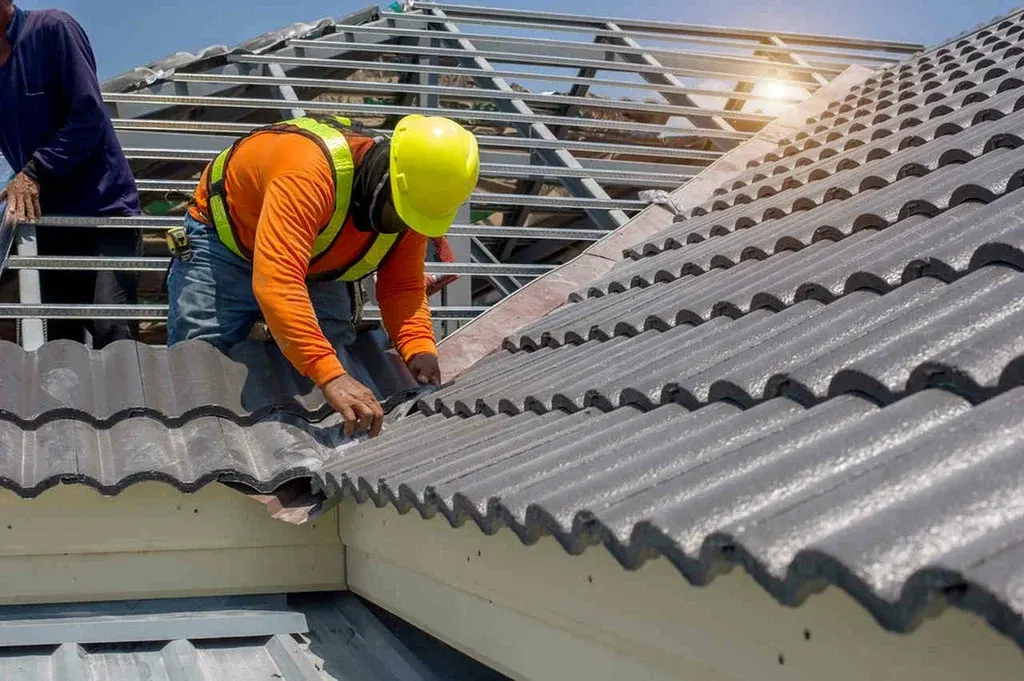
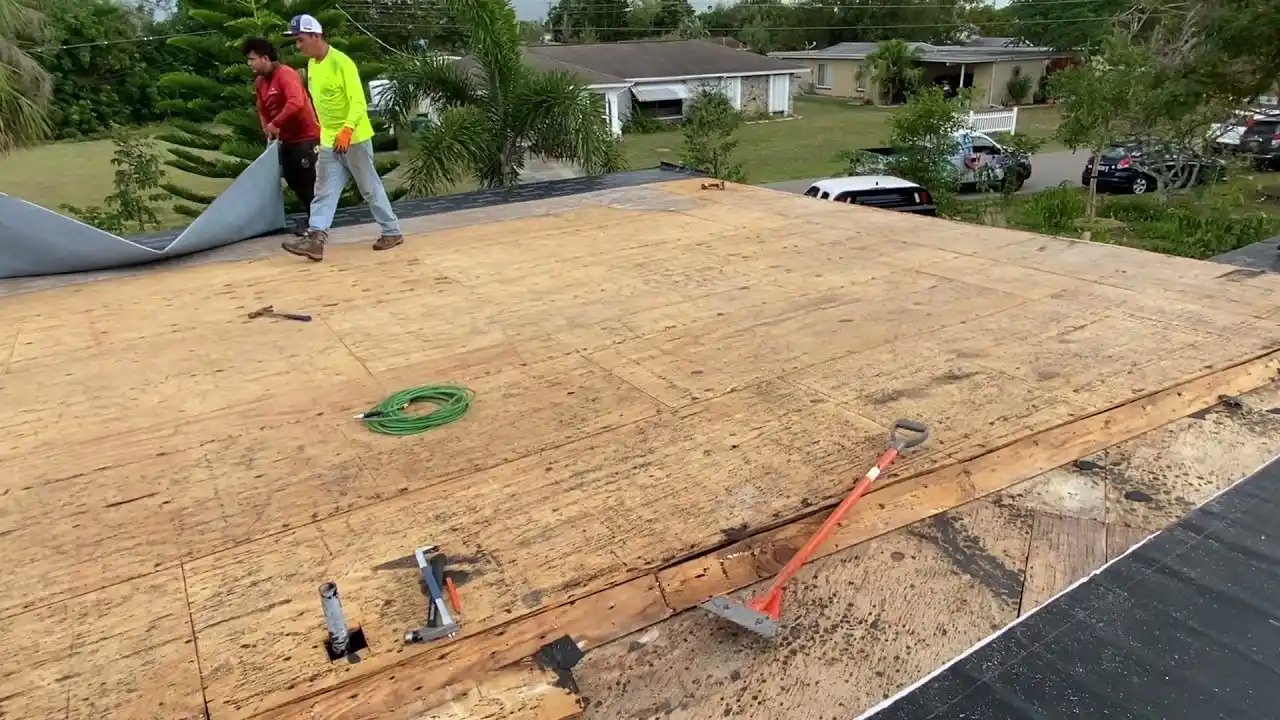
Not every roofing contractor follows best practices, and we see the results of that far too often. A roof installation done cheaply or incorrectly may look fine at first, but problems start to show within a year or two. Issues like incorrect underlay installation, poor ventilation or mismatched tiles can shorten a roof’s lifespan dramatically.
One recent example involved a newly built home in Bournemouth where the ridge tiles weren’t fixed according to regulations. The homeowners began hearing rattling noises during windy nights. It turned out every ridge tile needed re-bedding. A job that should’ve lasted decades failed because of poor workmanship.
6. Moss and Algae Growth
Bournemouth’s moist climate encourages moss to grow on rooftops, especially those shaded by surrounding trees. Although it seems harmless, moss traps moisture, which gradually weakens tiles and increases the risk of leaks.
Homeowners often try to remove moss themselves, but this can damage tiles if done incorrectly. A proper treatment or professional cleaning is usually the safest option.
7. Ageing Roofs That Have Reached Their Lifespan
No roof lasts forever. Bournemouth homes, especially those built several decades ago, are now reaching the stage where repairs alone aren’t enough. Ageing roofs become more fragile, more prone to cracking, and more expensive to maintain. At some point, a full replacement becomes the more cost-effective option.
If you own an older property or manage a commercial roofing site, it’s worth having an annual inspection to see how far along your roof is in its natural lifespan.
How to Prevent These Common Roofing Problems
Most roofing problems can be prevented with regular checks, timely repairs and proper gutter care. Annual inspections, especially before and after winter, help catch early warning signs. If you’re unsure about the condition of your roof, it’s always better to get a professional opinion than wait for a leak to appear.
Keeping gutters clean, replacing broken tiles quickly and scheduling routine maintenance can add years to your roof’s lifespan. It also helps you avoid unexpected repair bills.
Frequently Asked Questions
What are the earliest signs of roofing problems?
Small leaks, damp patches, missing tiles, mould near the loft and overflowing gutters are the most common early indicators.
How often should I get my roof inspected?
Most Bournemouth homes benefit from a professional inspection once a year, especially before winter.
Can I repair roofing problems myself?
Minor tasks like clearing gutters can be safe, but roof repairs should always be handled by a professional to avoid causing further damage.
Do commercial roofing systems face different issues?
They often deal with larger flat roof areas, meaning ponding water, membrane wear and drainage problems are more common.
When should I consider a full roof replacement?
If repairs are becoming frequent or your roof is nearing the end of its expected lifespan, replacing it can be more cost-effective.
Need Help Solving Roofing Problems in Bournemouth?
If you’ve noticed any of these issues or just want peace of mind, speak with a local roofing expert who understands the challenges Bournemouth homes face. Regular maintenance, quality roof installations and reliable gutter services can protect your property, save money and keep your home safe through every season.
If you’d like, I can also create internal link suggestions or optimise this blog even further for your site’s structure.