Storms in Bournemouth have a habit of arriving fast and leaving behind expensive surprises. One moment everything seems fine, and the next you are hearing water drip through the ceiling or spotting tiles scattered across the garden. When your roof takes the hit, knowing what to do next can make the difference between a straightforward repair and long-term structural damage.
Emergency roof repairs are not just about stopping a leak. They are about protecting your home, your safety, and your investment at a time when stress levels are already high. This guide walks you through what to do after storm damage, based on real-world roofing experience in Bournemouth and the surrounding coastal areas.
Why Storm Damage Is a Serious Issue in Bournemouth
Living by the coast brings benefits, but it also exposes roofs to harsher conditions. Strong winds, driving rain, and sudden pressure changes can loosen tiles, damage flashing, and overwhelm guttering systems. According to the Met Office, coastal regions in the South West regularly experience higher wind speeds during winter storms, which significantly increases the risk of roof failure.
Many homeowners assume roof damage will be obvious straight away. In reality, some of the most costly problems start small. A single cracked tile or lifted ridge can allow water to seep in slowly, leading to damp, rot, and insulation damage weeks later.
The First Things to Do After a Storm Hits
Once the storm has passed and it is safe to do so, your priority should be minimising further damage. Avoid the temptation to climb onto the roof yourself, even if the issue looks minor. Wet tiles, unstable structures, and loose debris are a serious safety risk.
Start by checking inside the property. Look for water stains on ceilings, damp patches on walls, or dripping in the loft space. These signs help roofers pinpoint the source of the problem quickly. If water is actively entering the property, placing buckets and moving valuables away from the affected area can prevent further loss while you arrange emergency roof repairs.
If possible, take photos from ground level of any visible damage such as missing tiles or sagging sections. These images can be helpful for insurance claims and for roofing contractors assessing urgency.
Why Emergency Roof Repairs Should Never Be Delayed
Time is critical when dealing with storm damage. What starts as a small opening can quickly escalate, especially in Bournemouth where follow-up rain is common. Water ingress does not just affect the roof covering. It can damage timber structures, electrics, plasterwork, and insulation.
From professional experience, many emergency call-outs involve homes where the initial damage was ignored for a few days. By then, what could have been a simple fix often turns into a much larger repair job. Acting quickly protects both your property and your budget.
What a Professional Emergency Roofer Will Do
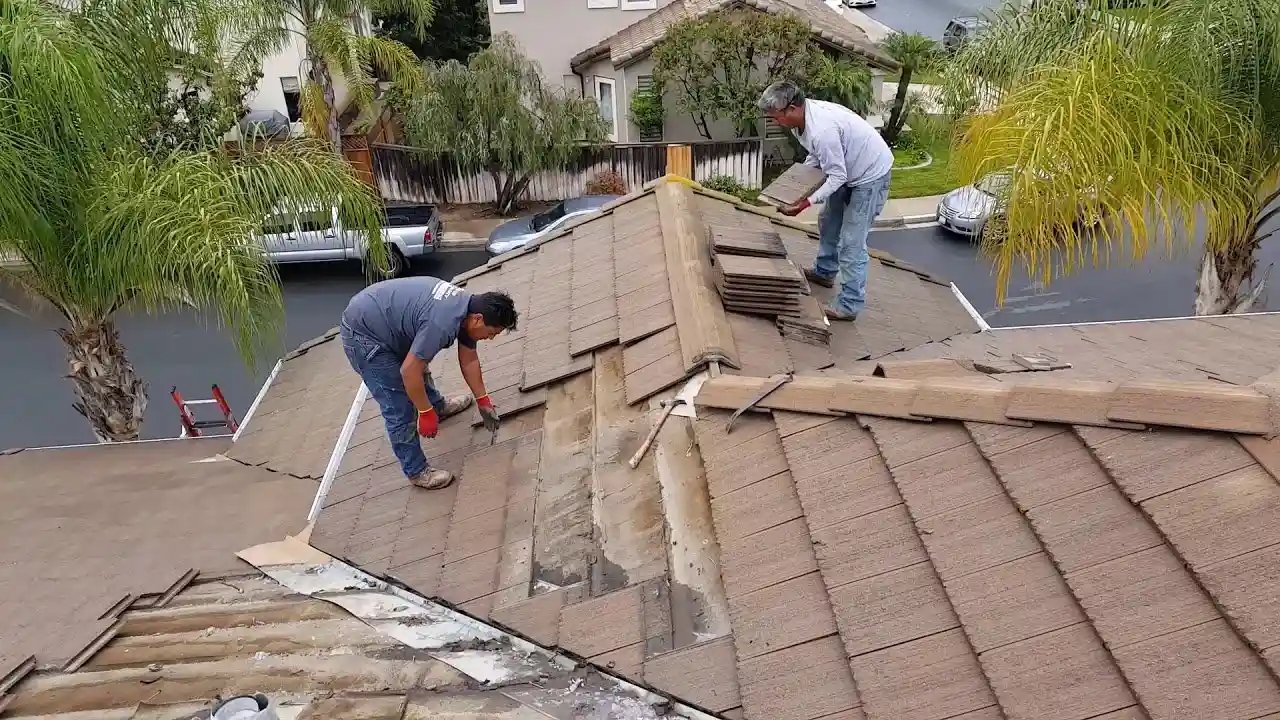
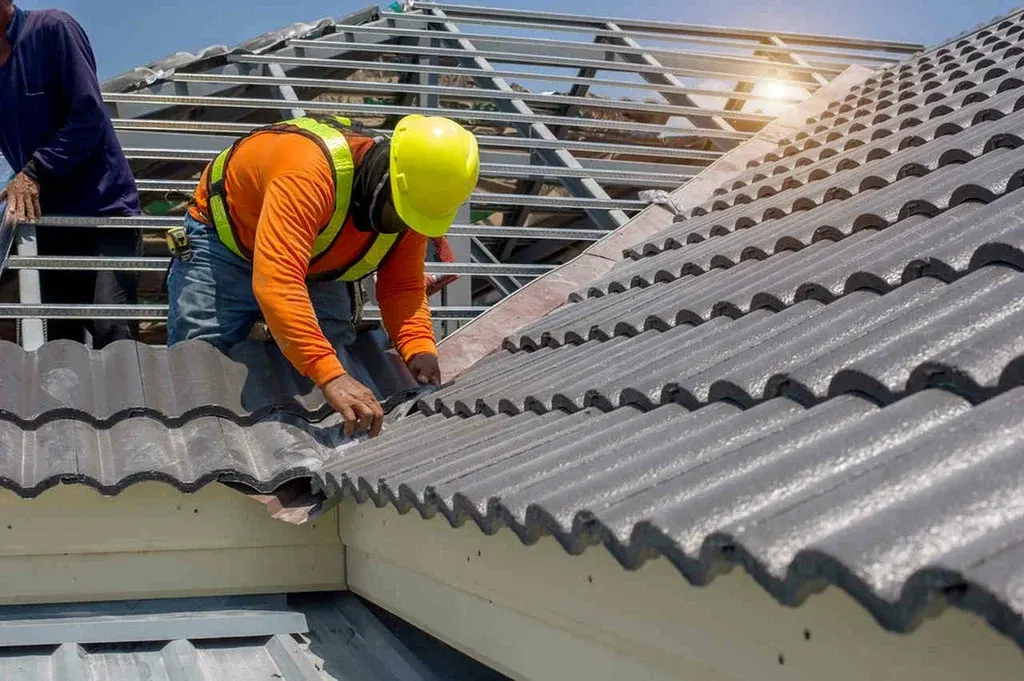
When a qualified roofer attends an emergency call-out, the first step is making the roof watertight. This may involve fitting temporary coverings, replacing missing tiles, or securing loose sections to prevent further movement.
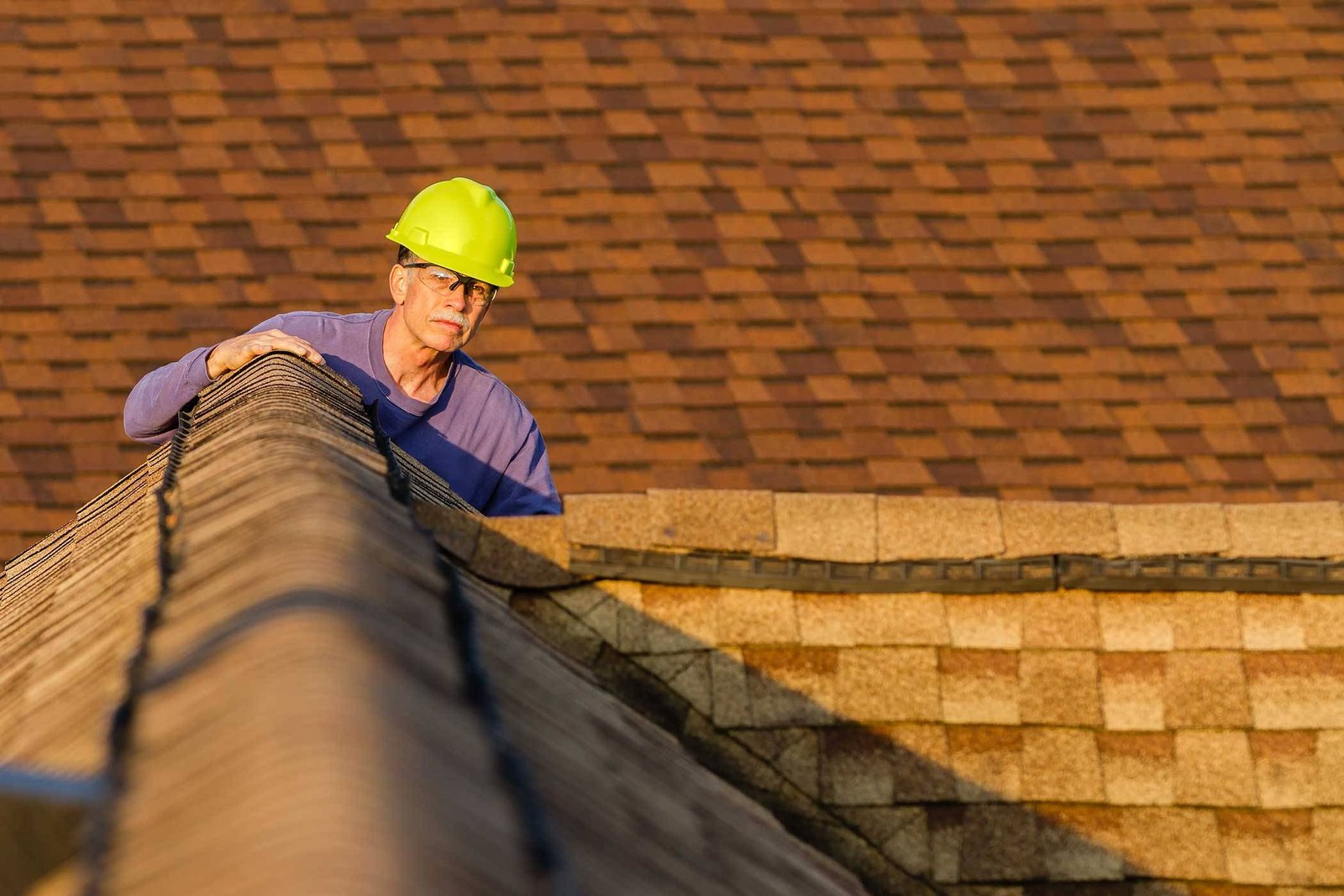
A thorough inspection follows once conditions allow. Experienced roofers look beyond the obvious damage, checking flashing, valleys, ridge lines, and underlying felt. In commercial roofing situations, this process is even more critical due to the larger surface area and potential business disruption caused by leaks.
After assessing the damage, you should receive a clear explanation of what has gone wrong, what needs immediate attention, and whether further work such as full roof installations or partial replacements may be required.
Emergency Repairs for Residential and Commercial Roofing
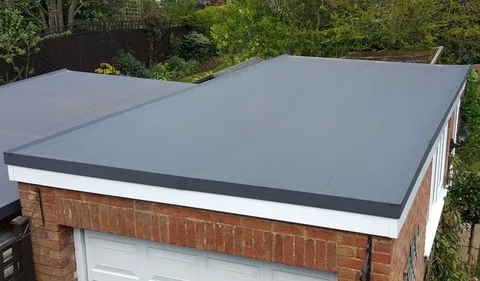
Emergency roof repairs apply equally to homes and commercial buildings, but the risks can be higher for businesses. Flat roofs on shops, offices, and warehouses are particularly vulnerable to pooling water after storms. Left untreated, this can lead to rapid membrane failure.
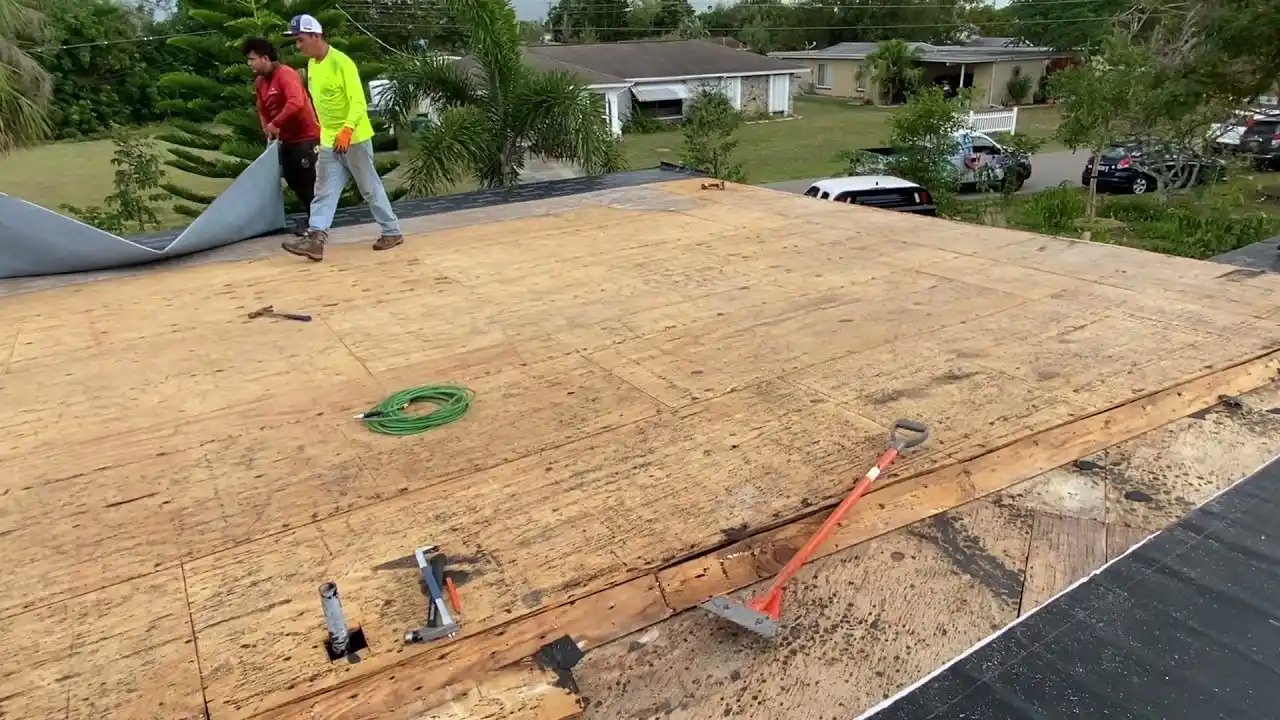
For commercial roofing clients in Bournemouth, emergency repairs often focus on keeping the building operational while planning longer-term solutions. This might involve temporary sealing followed by scheduled roof installations once weather conditions improve.
How Insurance Fits Into Emergency Roof Repairs
Many homeowners worry about insurance when storm damage occurs. While policies vary, most buildings insurance covers storm-related roof damage provided it is addressed promptly. Delays can complicate claims, especially if insurers believe further damage resulted from inaction.
Professional roofers are used to providing written reports and photographic evidence to support insurance claims. Having repairs carried out quickly and documented properly can make the process far smoother.
Preventing Future Storm Damage
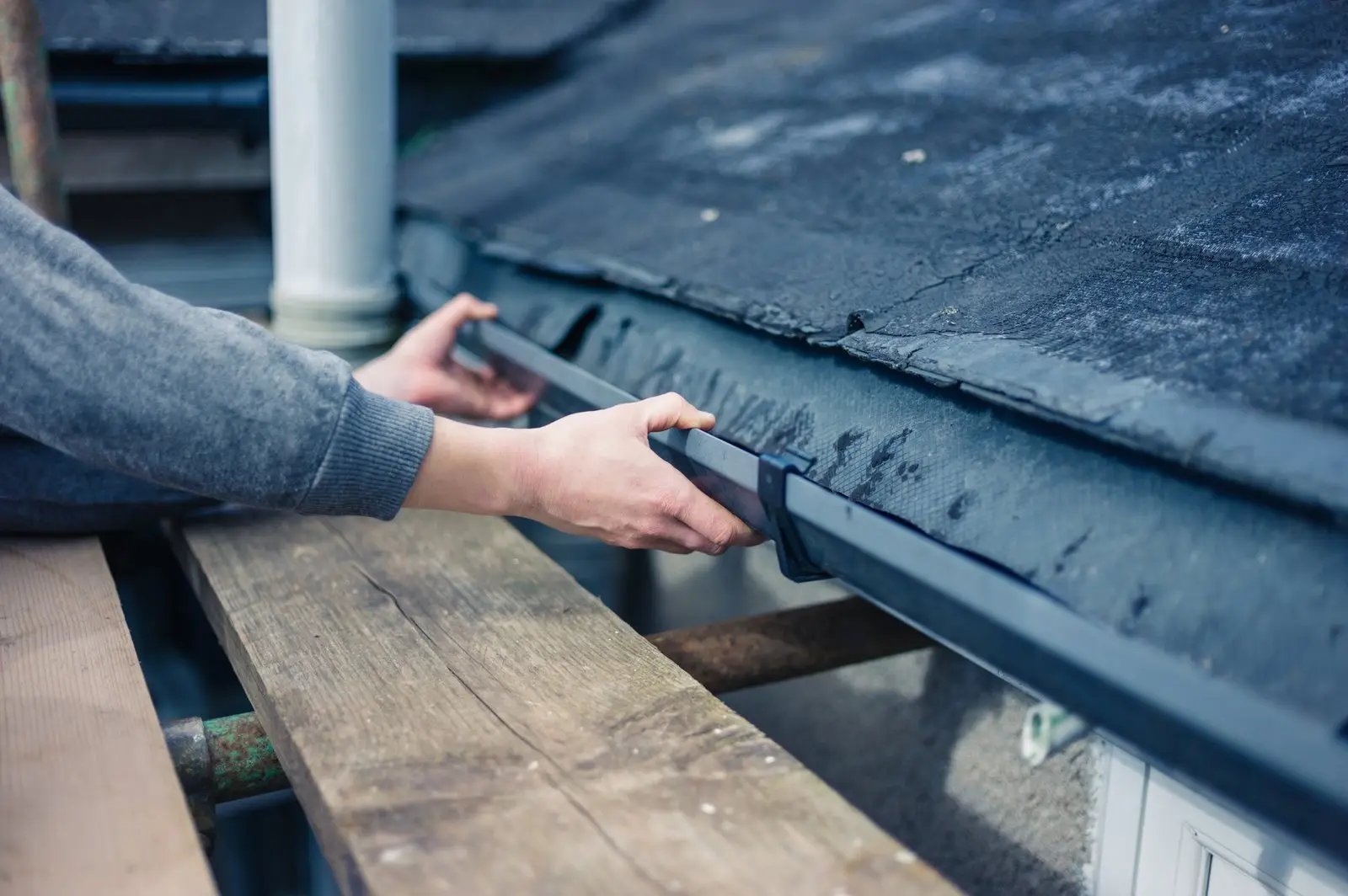
While no roof is completely storm-proof, regular maintenance significantly reduces risk. Annual inspections, especially after winter, help identify weak points before they fail. Replacing worn tiles, securing flashing, and clearing gutters all play a role in roof resilience.
For older properties, investing in professional roof installations using modern materials can dramatically improve performance during severe weather. In Bournemouth’s coastal climate, durability matters just as much as appearance.
Choosing the Right Roofer in an Emergency
Not all roofing companies are equipped to handle emergencies. Look for contractors with local experience, clear contact details, and a proven track record. A reliable roofer will prioritise safety, communicate clearly, and avoid pressure tactics during a stressful situation.
Local knowledge is especially important. Roofers familiar with Bournemouth properties understand common construction styles and the specific challenges posed by coastal conditions.
FAQs About Emergency Roof Repairs
How quickly should emergency roof repairs be carried out?
Ideally, emergency roof repairs should be arranged as soon as it is safe after a storm. The longer water is allowed to enter the property, the greater the risk of internal damage and higher repair costs.
Can emergency roof repairs be done in bad weather?
Temporary emergency measures can often be installed in poor weather to prevent further damage. Permanent repairs may be scheduled once conditions improve to ensure safety and quality workmanship.
Are emergency roof repairs expensive?
Costs vary depending on the extent of the damage. Acting quickly usually keeps costs lower by preventing secondary issues such as damp, rot, or electrical damage.
Do commercial buildings need different emergency repairs?
Yes, commercial roofing systems often require specialist materials and techniques. Emergency repairs focus on keeping the building watertight and operational until permanent solutions can be completed.
Will I need a full roof replacement after storm damage?
Not always. Many cases only require targeted emergency roof repairs. However, repeated storm damage or widespread deterioration may indicate that full roof installations are the better long-term option.
Final Thoughts and Call to Action
Storm damage is stressful, but the right response makes all the difference. Emergency roof repairs are about acting fast, choosing experienced professionals, and protecting your property before minor damage turns into a major issue.
If your roof has been damaged by recent storms in Bournemouth, do not wait for the problem to worsen. Speak to a local roofing specialist who can assess the situation, carry out urgent repairs, and advise on the best long-term solution. A secure roof means peace of mind, whatever the weather decides to throw at it next.