If you own a home in Bournemouth, chances are you have asked yourself this question at some point. A slipped tile after a winter storm, a damp patch creeping across the ceiling, or a roofer pointing out “general wear and tear” can quickly turn into a bigger decision. Do you repair what is there, or is it time to stop patching things up and invest in a full replacement?
The answer is rarely straightforward. The right choice depends on age, condition, long-term costs, and how you plan to use the property. This guide breaks down roof repair vs replacement in a practical way, drawing on real-world experience and local considerations so you can make a confident decision.
Understanding the Real Difference Between Roof Repair vs Replacement
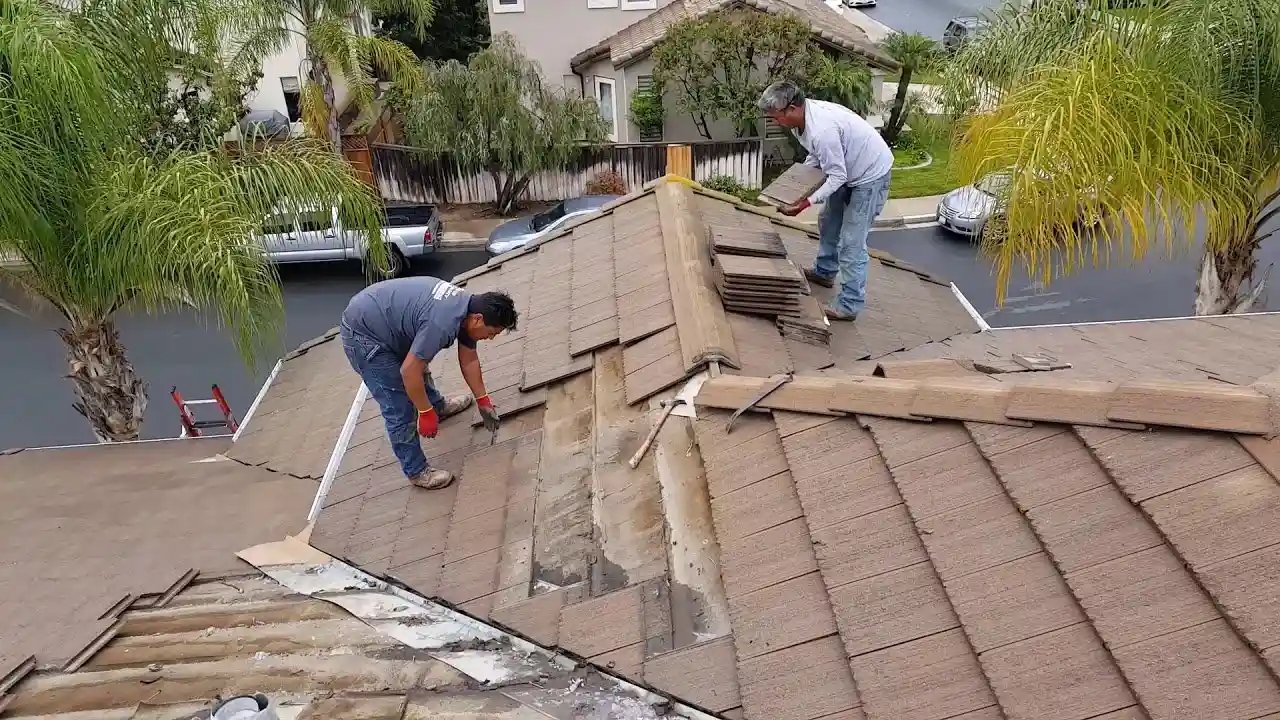
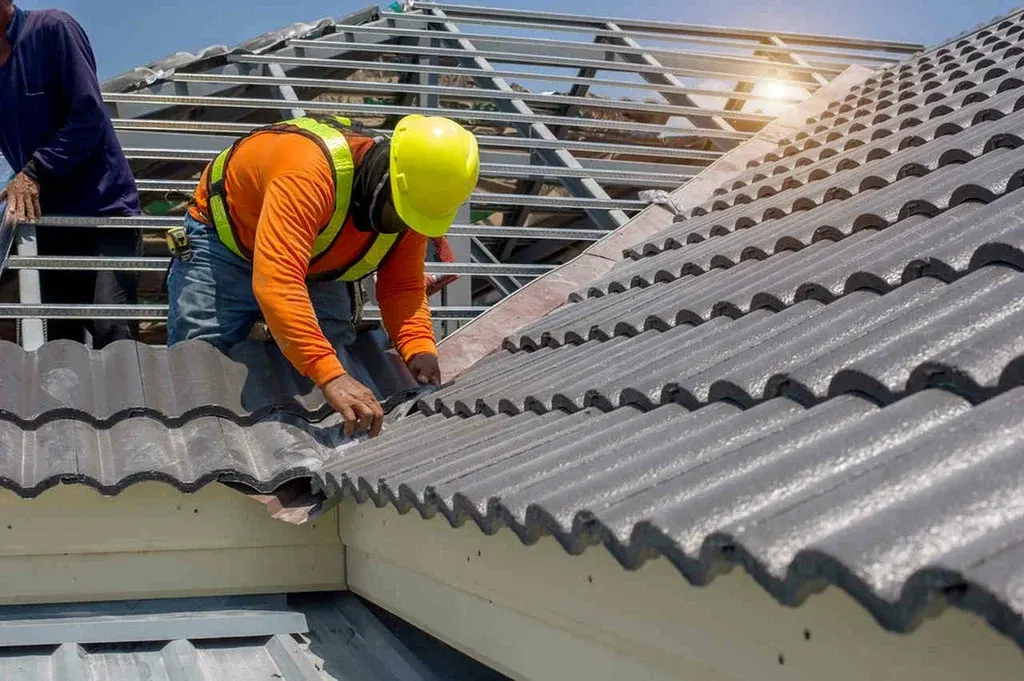
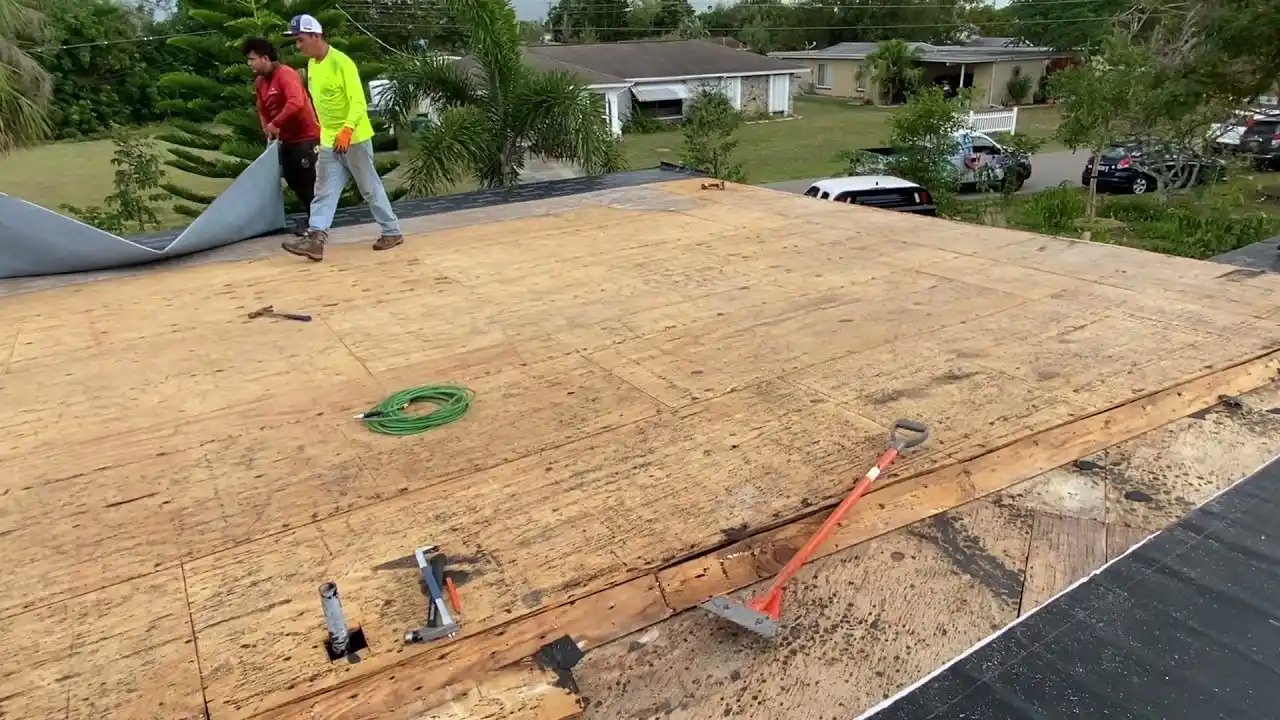
At its core, roof repair focuses on fixing a specific issue. That might be cracked tiles, damaged flashing, or a localised leak. Roof replacement, on the other hand, means removing the existing roof covering and installing a new system entirely. This can include new felt, battens, tiles, and sometimes structural improvements.
The mistake many homeowners make is treating this purely as a cost comparison. While repairs are cheaper upfront, they are not always the most economical choice over time. Replacement costs more initially but can remove recurring problems and improve the overall performance of the property.
When Roof Repair Usually Makes Sense
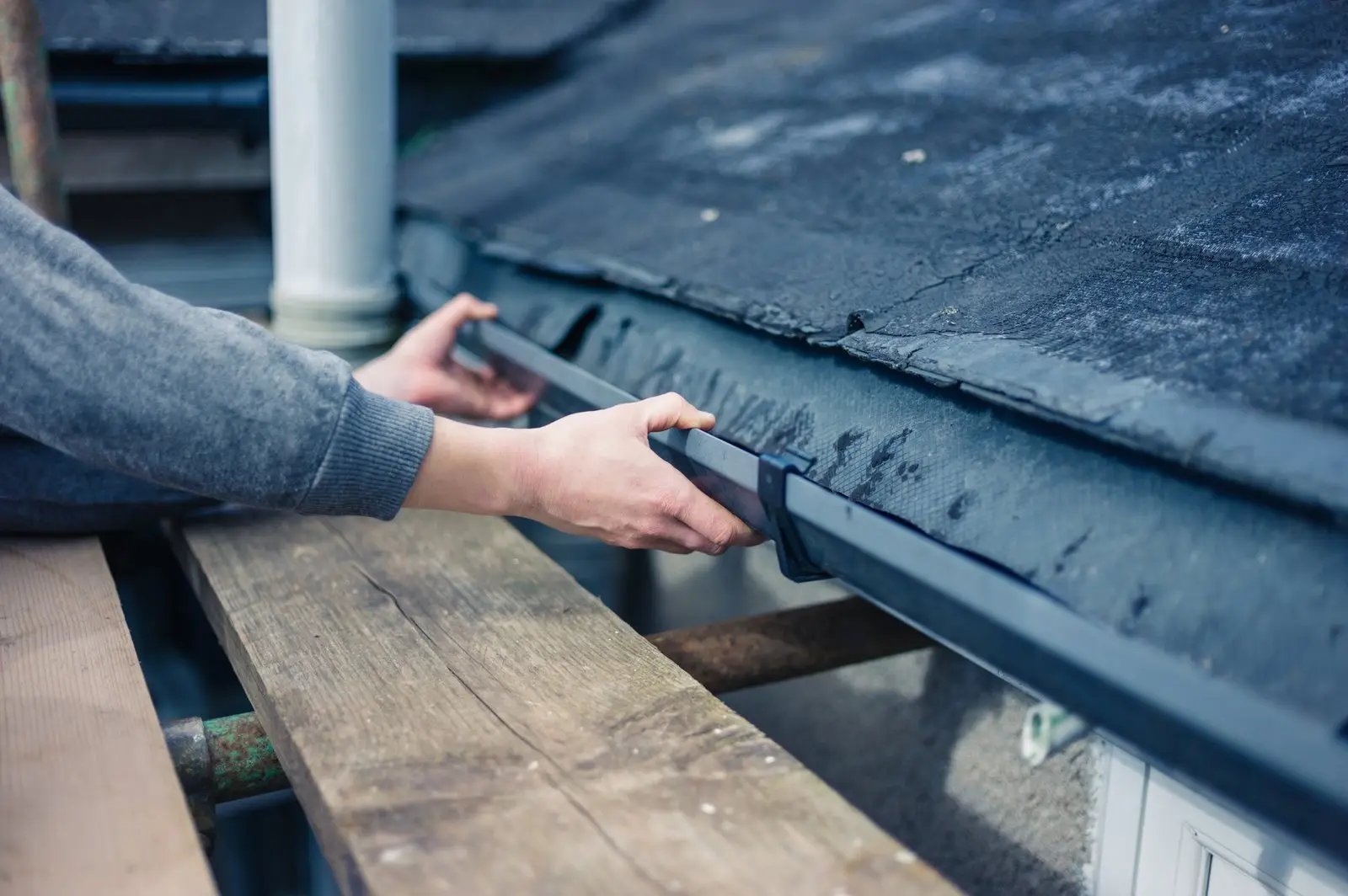
Roof repairs are often the sensible option when the roof is relatively young and the damage is limited. If your roof is under 15 years old and has been well maintained, a repair is often all that is needed. In Bournemouth, storm damage is a common trigger for repairs, especially after high winds coming off the coast.
Localised issues such as a handful of broken tiles, a failed flashing detail, or a blocked valley can usually be resolved without disturbing the rest of the roof. In these cases, repairs restore function quickly and extend the life of the roof without unnecessary disruption.
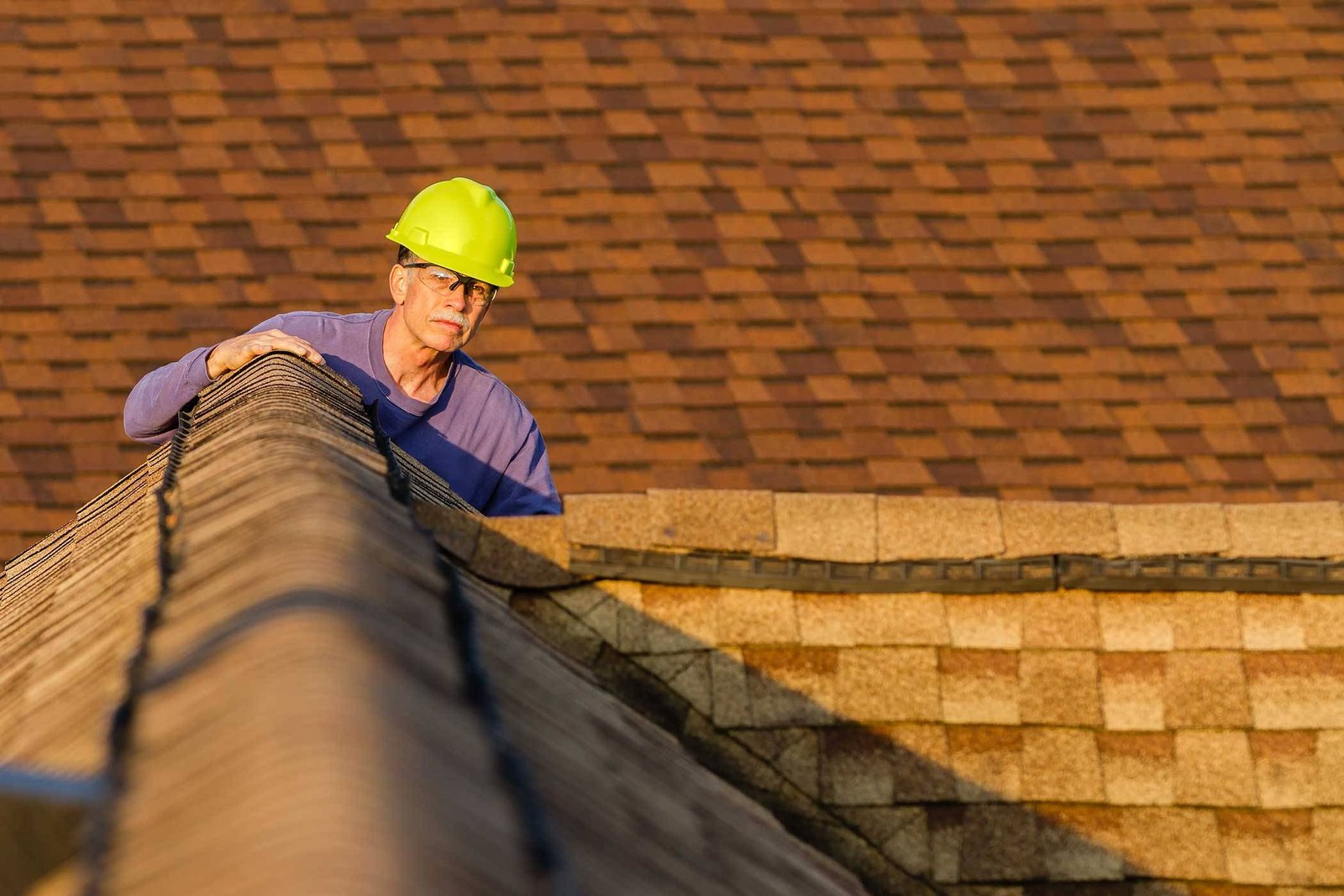
From an EEAT perspective, experienced roofers will normally advise repair if the structure underneath is sound and there are no signs of widespread deterioration. A good inspection should include the loft space, not just what is visible from outside.
When Roof Replacement Becomes the Smarter Option
Replacement becomes more sensible when problems keep coming back. If you are calling out roofers every year, the cumulative cost of repairs can quietly exceed the price of a new roof. This is especially true for older properties where materials have reached the end of their lifespan.
In Bournemouth, many homes built several decades ago still have original roofs. Tiles may look fine from the ground but underlay can become brittle, battens can rot, and fixings can fail. These hidden issues often explain persistent leaks that repairs never fully solve.
Roof replacement is also worth considering if you are planning other work, such as loft conversions or major refurbishments. A new roof provides peace of mind and ensures compliance with current building standards. Modern roof installations also tend to offer better ventilation and insulation performance, which can help with energy efficiency.
Cost Considerations in Bournemouth Homes
Costs vary depending on materials, access, and roof complexity, but context matters. A typical repair might cost a few hundred pounds, while a full replacement can run into several thousand. That gap can make replacement feel excessive.
However, data from UK housing maintenance studies consistently shows that repeated minor repairs on ageing roofs often cost more over a ten-year period than a single replacement. Add in the stress of leaks, interior damage, and time off work to manage repairs, and the balance often shifts.
Local weather is another factor. Bournemouth’s coastal climate exposes roofs to salt air, wind-driven rain, and sudden storms. These conditions accelerate wear, particularly on older roofs that were not designed with modern materials.
Residential vs Commercial Roofing Decisions
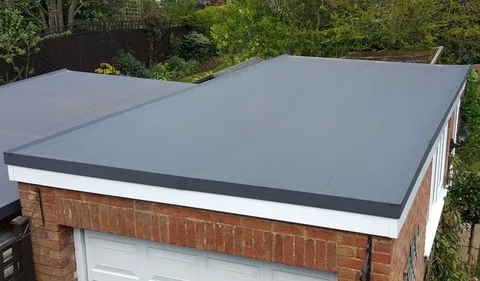
While this article focuses mainly on homes, the roof repair vs replacement debate is just as relevant in commercial roofing. Flat roofs on shops, offices, and industrial units often show surface damage long before deeper problems appear.
In commercial settings, replacement is sometimes chosen earlier because downtime and water ingress can disrupt business operations. For homeowners, the same principle applies if leaks are affecting electrics, plasterwork, or structural timber.
The lesson from commercial roofing is simple. Short-term savings should never override long-term reliability, especially when the building underneath is valuable.
How Roof Installations Improve Long-Term Value
A full roof replacement is not just about fixing problems. Modern roof installations can add tangible value to a property. Surveyors often flag ageing roofs during sales, leading to renegotiations or delays. A new roof removes that uncertainty.
There is also a visual impact. Clean lines, uniform tiles, and updated details can significantly improve kerb appeal. In competitive property markets like Bournemouth, this can influence buyer perception more than many internal upgrades.
From an energy perspective, improved underlay and ventilation can reduce condensation and heat loss, contributing to a more comfortable home.
Real-World Example from Bournemouth
A common scenario involves a 1930s semi with a concrete tiled roof. The homeowner experiences small leaks each winter, usually patched up quickly. Over five years, repair costs quietly accumulate. Eventually, a detailed inspection reveals widespread batten decay and failing underlay.
In this case, roof repair no longer makes sense. Replacement addresses the root cause, not just the symptoms. While the upfront cost is higher, the homeowner avoids ongoing disruption and protects the structure of the house.
Making the Right Decision for Your Home
The key to choosing between roof repair vs replacement is an honest assessment, not guesswork. A professional inspection should explain what is wrong, why it is happening, and how long any proposed solution is likely to last.
Be wary of advice that defaults to the cheapest option without considering future implications. Equally, replacement should never be pushed if a well-executed repair will genuinely solve the issue.
Frequently Asked Questions
How do I know if my roof needs repairing or replacing?
The age of the roof, frequency of leaks, and condition of the underlying structure are the main indicators. A professional inspection is the only reliable way to know for sure.
Is roof replacement always better than repair?
No. Repairs are often the right choice for newer roofs or isolated issues. Replacement makes sense when problems are widespread or recurring.
Does a new roof add value to my home?
In most cases, yes. A new roof improves buyer confidence, reduces survey issues, and enhances kerb appeal.
How long does a roof replacement take?
For a typical residential property, roof installations usually take between a few days and two weeks, depending on size and complexity.
Can commercial roofing experience apply to homes?
Yes. The principles of durability, lifecycle cost, and preventative maintenance apply to both residential and commercial roofing.
Final Thoughts and Call to Action
Deciding between roof repair vs replacement is not just about fixing today’s problem. It is about protecting your home for the next decade and beyond. The right decision balances cost, condition, and long-term peace of mind.
If you are unsure which option makes sense for your property in Bournemouth, speak to a trusted roofing professional who can assess the roof properly and explain your options clearly. A well-informed decision now can save significant expense and stress later.