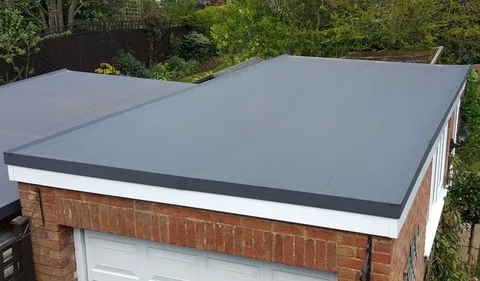
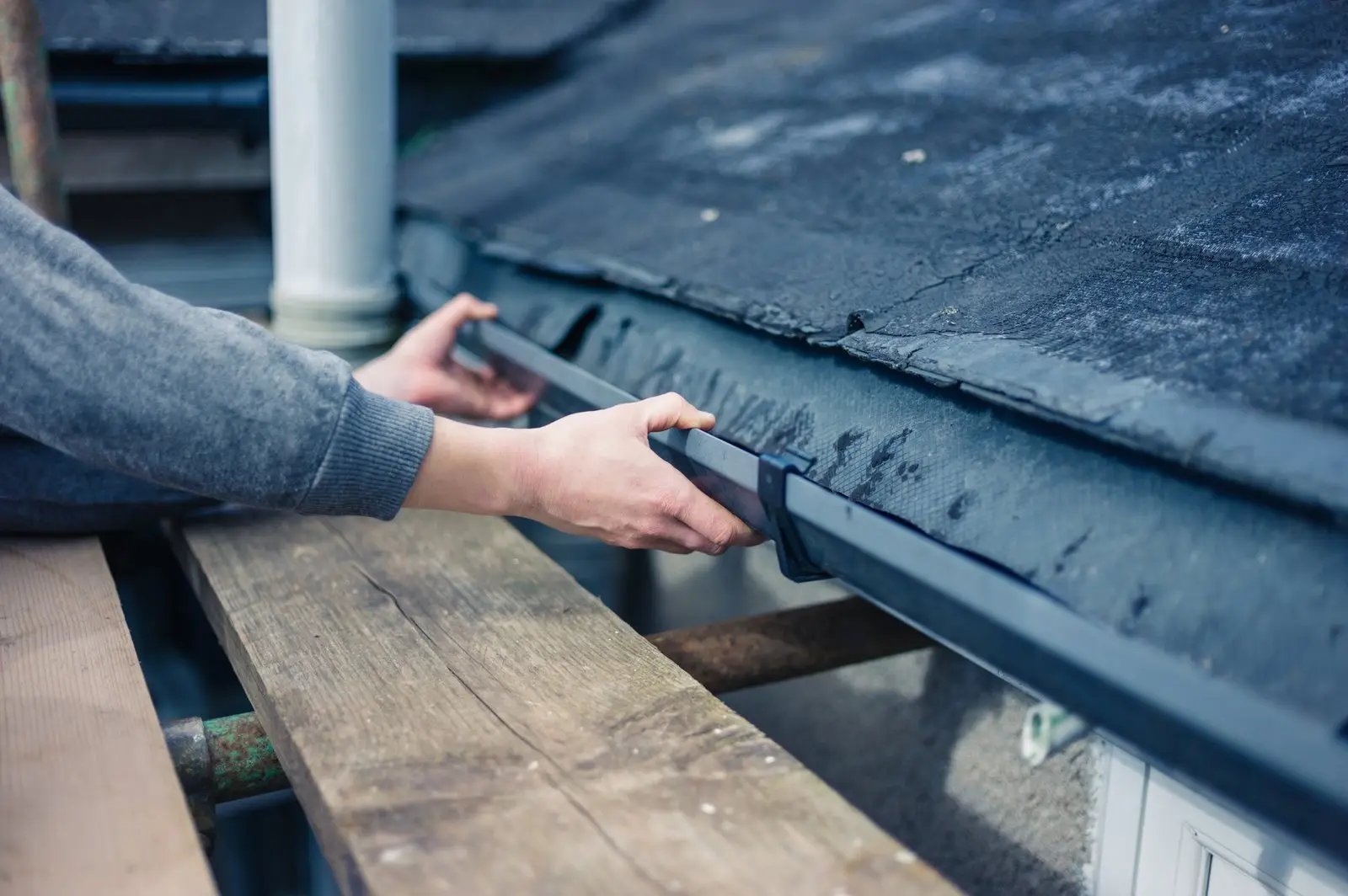
Replacing a roof is a significant investment. Whether the work is prompted by age, persistent leaks, storm damage or an upgrade to improve energy efficiency, it is not simply a case of removing old tiles and fitting new ones. In many situations, Building Regulations for Roof Replacements apply, and failing to comply can create legal, financial and practical complications.
For homeowners and commercial property owners in Bournemouth, understanding the regulatory framework is essential before work begins. This guide explains when approval is required, what standards apply and how to ensure your project proceeds smoothly.
Why Building Regulations Apply to Roof Replacements
Building regulations are designed to ensure that construction work meets minimum standards for safety, structural stability and energy efficiency. In the context of roofing, they focus primarily on structural performance, insulation, ventilation and fire safety.
According to guidance published by GOV.UK, building regulations apply when more than 25% of a roof covering is replaced. This threshold is particularly important because many homeowners assume that replacing tiles or felt does not fall within regulatory control. In practice, once a quarter or more of the roof area is renewed, compliance becomes mandatory.
In Bournemouth, local oversight is provided by BCP Council, which administers building control services for the area.
The 25% Rule: What It Means in Practice
The so-called “25% rule” is central to understanding when Building Regulations for Roof Replacements apply.
If you are replacing more than 25% of the roof surface area, you must notify building control. This includes both pitched and flat roofs. The rule applies regardless of whether the work is planned or carried out following storm damage.
In practical terms, this often means that what begins as a targeted repair can evolve into a regulated project once a wider section of the roof requires renewal. A professional inspection at the outset is therefore critical to determine the true scope of work.
Insulation Requirements and Energy Performance
One of the most common areas of non-compliance relates to insulation. Current UK standards require roof insulation to meet specific thermal performance targets, known as U-values. These standards are considerably higher than those in place when many Bournemouth properties were originally built.
When more than 25% of the roof is replaced, upgrading insulation to current standards is typically required. This may involve increasing insulation thickness within the loft space or installing high-performance insulation boards in flat roof systems.
The importance of compliance extends beyond regulation. The Energy Saving Trust estimates that up to 25% of heat loss in an uninsulated home occurs through the roof. In coastal locations such as Bournemouth, where wind exposure increases heat loss, improving insulation can significantly reduce energy consumption and heating costs.
Structural Considerations in Bournemouth’s Coastal Environment
Bournemouth’s coastal position presents additional challenges. Salt-laden air can accelerate corrosion of metal fixings, and high winds place increased stress on roof coverings and structural supports.
When assessing compliance with Building Regulations for Roof Replacements, building control officers will consider structural integrity. Rafters, joists and load-bearing elements must be capable of supporting the new roof covering. If heavier materials are specified, structural reinforcement may be required.
For larger properties and commercial premises, structural calculations are often necessary. In the field of Commercial Roofing, compliance frequently involves detailed assessment of load distribution and wind resistance to meet regulatory standards.
Planning Permission Versus Building Regulations
It is important to distinguish between planning permission and building regulations approval.
Planning permission relates to the visual and structural impact of development. Most like-for-like roof replacements in Bournemouth do not require planning permission, unless the property is listed, located within a conservation area or the roof structure is being significantly altered.
Building regulations, by contrast, relate to safety and performance standards. Even if planning permission is not required, building regulations approval may still apply.
Emergency Roof Replacements and Compliance
Severe weather events across Dorset have led to an increase in urgent roof repairs. In situations requiring Emergency Roofing Services, temporary works such as tarpaulin covering do not usually require approval.
However, if emergency damage results in replacing more than 25% of the roof area, the project must still comply with building regulations. Homeowners sometimes overlook this requirement when acting quickly after storm damage, but retrospective approval can be more complex and costly.
Early communication with both your contractor and building control ensures that urgent work does not create longer-term complications.
The Building Control Process
When building regulations apply, the process typically involves notifying building control before work commences. This can be done either by the property owner or by a contractor acting on their behalf.
Inspections may take place during and after completion of the project. Once the work has been approved, a compliance certificate is issued. This document confirms that the roof meets current regulatory standards.
The certificate is important for future property transactions. Solicitors routinely request evidence of compliance for significant works undertaken within the last decade. Without appropriate documentation, property sales can be delayed or renegotiated.
Some contractors are registered under competent person schemes, allowing them to self-certify certain aspects of the work. In all cases, written evidence of compliance should be retained.
A Bournemouth Case Study
A recent roof replacement project in the Southbourne area illustrates how regulations operate in practice. The homeowner initially sought to replace damaged tiles following persistent leaks. On inspection, it became clear that over half the roof covering required removal.
Building control was notified. During inspection, it was identified that the existing insulation fell significantly below current standards. The project scope was adjusted to include upgraded insulation and improved ventilation.
Although this added modestly to the initial cost, the result was a compliant roof system with enhanced thermal performance and a valid completion certificate. The homeowner subsequently reported improved comfort and lower heating bills.
Frequently Asked Questions
Do all roof replacements require building regulations approval?
Not all. Minor repairs affecting less than 25% of the roof area may fall outside regulatory control. However, once the 25% threshold is exceeded, approval is typically required.
Who is responsible for compliance?
Legally, the property owner is responsible. In practice, reputable roofing contractors in Bournemouth manage the notification and inspection process.
How long does the approval process take?
In most cases, notification and inspection can be arranged promptly and do not significantly delay the project timeline when planned correctly.
Does this apply to flat roofs and commercial properties?
Yes. The same principles apply to flat roofs and to larger commercial buildings. In commercial contexts, additional structural assessments are often required.
What are the risks of non-compliance?
Non-compliance can lead to enforcement action, difficulties during property sales and potential insurance complications if structural failure occurs.
Conclusion:
Understanding Building Regulations for Roof Replacements is not simply about meeting legal obligations. It is about ensuring structural safety, energy efficiency and long-term property value.
In a coastal environment such as Bournemouth, where weather exposure and energy costs are significant considerations, compliance should be viewed as a safeguard rather than an administrative burden.
If you are considering a roof replacement, whether for a residential property or a Commercial Roofing project, or you require urgent support through professional Emergency Roofing Services, seek expert advice at the earliest stage.
Engaging an experienced local contractor who understands both the technical requirements and the local regulatory framework will help ensure your project proceeds efficiently, safely and in full compliance with current standards.