Living in Bournemouth comes with distinct perks, doesn’t it? We get those glorious seven miles of golden sands, the stunning views out to Old Harry Rocks, and a climate that feels significantly milder than much of the UK. However, that coastal beauty comes with a price tag for homeowners, and specifically for the roofs over our heads. The salty air, sudden channel gusts, and damp winters create a unique set of challenges that inland properties simply don’t face. If you ignore your roof here, the sea air won’t just rust your bicycle chain; it will find the weakness in your slate or tile and exploit it.
Maintaining a property on the south coast requires more than just a cursory glance upwards once a year. It demands a proactive approach, an understanding of how our local microclimate shifts, and a willingness to tackle small issues before they become expensive disasters. I’ve seen too many homeowners in Southbourne or Boscombe wait until water is dripping through the ceiling before they act. By then, the damage is done, and the bill is painful. This guide is designed to help you stay ahead of the weather, ensuring your home remains watertight and secure regardless of what the Channel throws our way.
Understanding the Bournemouth Climate Impact
You can’t properly care for a roof in Dorset without understanding what attacks it. Bournemouth’s specific blend of salt spray and high humidity is a silent destroyer of building materials. Salt crystallisation is a genuine threat here. When salt water, carried by wind from the sea evaporates on your roof tiles or within porous masonry, salt crystals form. As these crystals grow, they exert immense pressure, causing tiles to flake and mortar to crumble. This isn’t just a problem for the beachfront properties on the Overcliff; the salt air travels surprisingly far inland, affecting homes in Winton and Charminster too.
Winter storms bring another layer of complexity. We often escape the snow that buries the north, but we trade it for driving rain and high winds. A gale blowing in from the south-west hits our roofs with immense force. If you have a single loose ridge tile, a Bournemouth winter will find it. This constant battering weakens the structural integrity of older roofs, particularly those that haven’t seen maintenance in a decade. Understanding this local context is the first step in effective property management, whether you own a bungalow or manage commercial roofing assets in the town centre.
Spring: Inspection and Cleaning
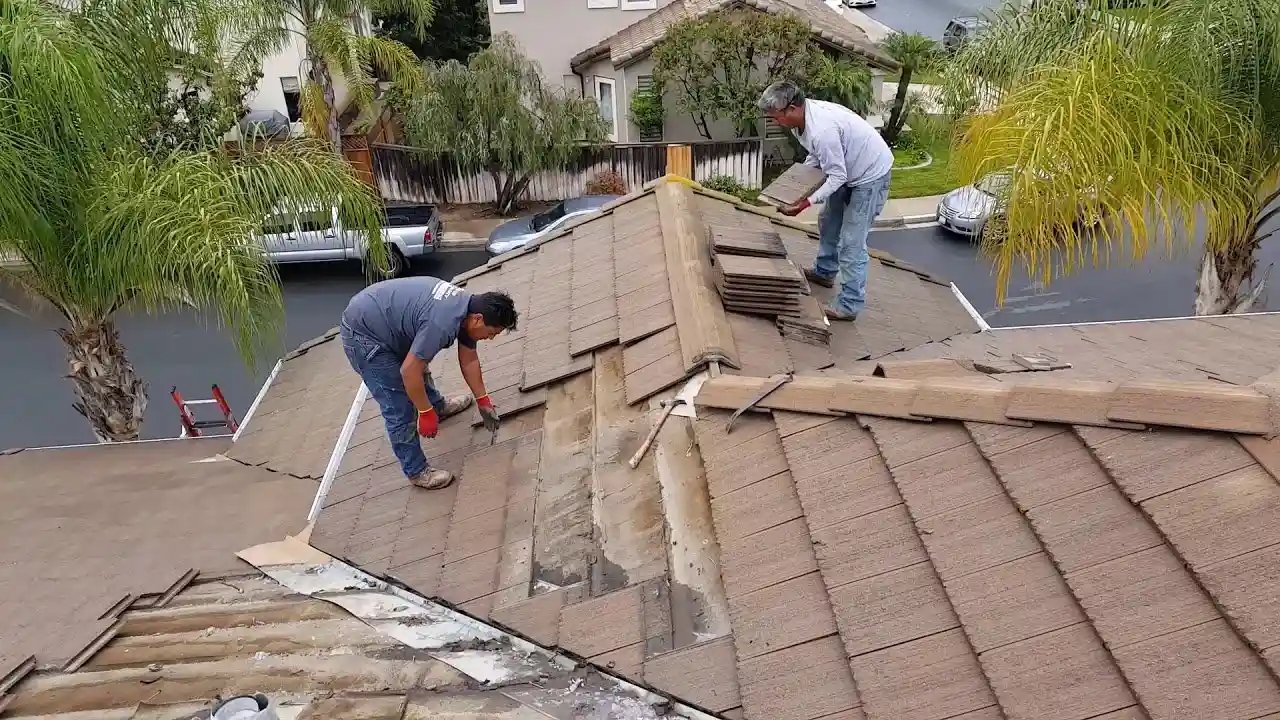
As the daffodils start appearing in the Lower Gardens, it is time for your first major check of the year. Spring is the season of recovery. Your roof has likely endured months of damp, windy conditions, and now is the moment to assess the toll. Start by walking around your property’s perimeter with a pair of binoculars. Climbing a ladder isn’t always necessary for an initial check, and frankly, it can be dangerous if the ground is still boggy. Look for slipped tiles, especially around chimney stacks, as the lead flashing here often lifts during winter storms.
Moss is another significant enemy in our leafy suburbs like Talbot Woods. During the damp winter months, moss thrives on north-facing slopes. While it might look quaint and cottage-like, heavy moss holds water against the tiles like a wet sponge. In spring, this moisture can seep through to the battens underneath, causing rot. If you see thick patches of green, you need to schedule a removal. Avoid aggressive pressure washing, which can strip the protective granules off your tiles. Instead, manual scraping or a biocide treatment is far gentler and more effective for long-term health.
Summer: Structural Checks and Ventilation
Summer in Bournemouth is glorious, but the heat brings its own checklist. While you are enjoying the sunshine, your roof is baking. Thermal expansion is a real phenomenon where materials expand in the heat and contract at night. Over time, this movement can crack mortar bedding on ridges and verges. Summer is the safest and most practical time to have a professional roofer conduct a physical inspection because the tiles are dry and less slippery.
Ventilation is often overlooked but is critical during the warmer months. If you have ever been in a loft in July, you know how stifling it can get. Poor ventilation leads to heat build-up which can warp timbers and actually cook the shingles from the inside out. Ensure your soffit vents are not blocked by insulation. Good airflow keeps the roof structure healthy and reduces condensation when the temperature eventually drops.
Autumn: The Pre-Winter Fortification
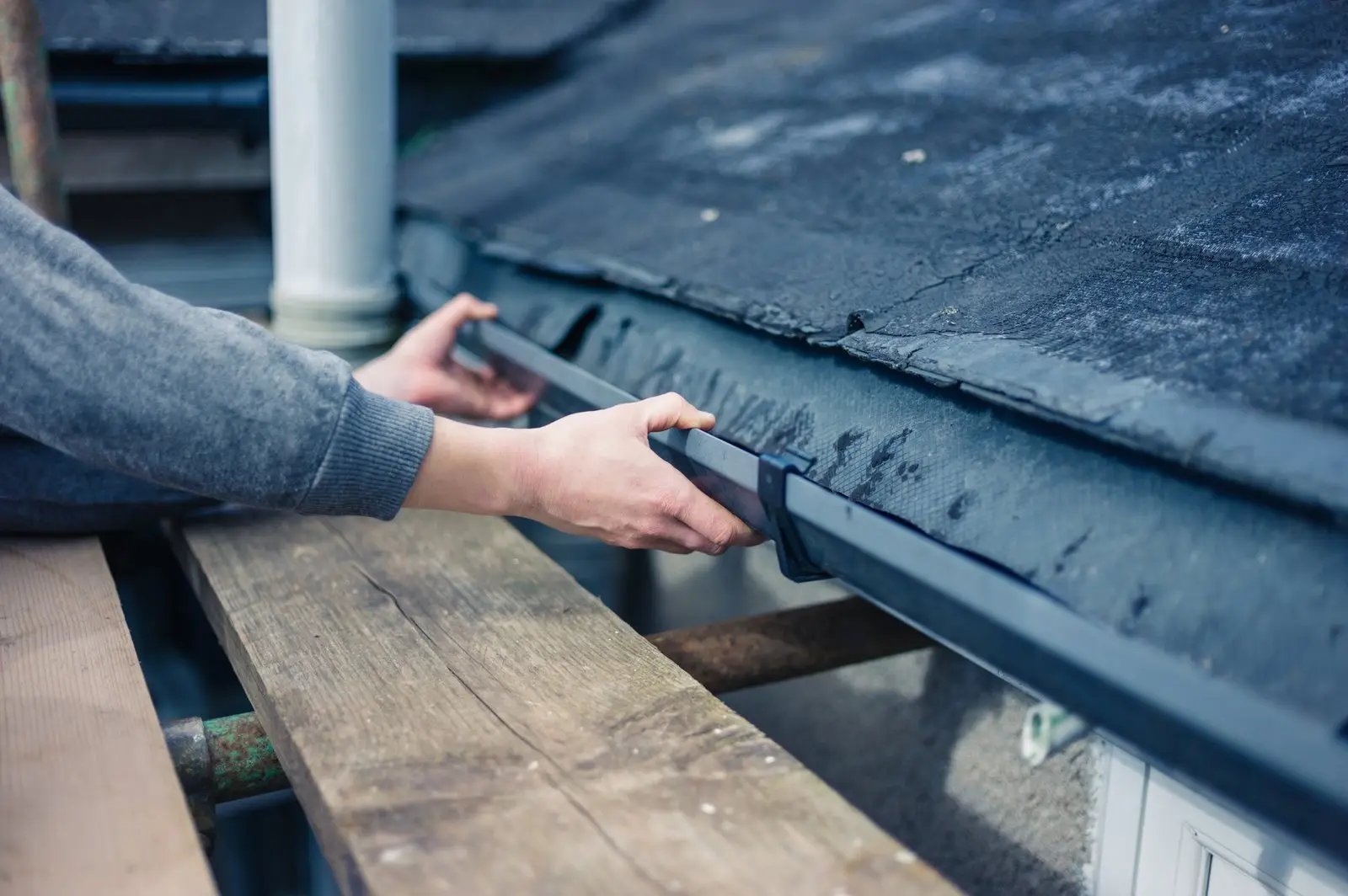
As the tourists leave and the beach huts are locked up, your focus must shift to defence. Autumn is arguably the most critical time for your seasonal roof care checklist. The primary goal here is to seal the envelope of your house before the Atlantic weather systems arrive. Trees are shedding leaves by the sack-load, so a second gutter clearance is mandatory in late November.
Pay close attention to the valleys of your roof—the “V” shape where two slopes meet. Leaves and twigs accumulate here, creating dams that force rainwater to back up under the tiles. If you live in a tree-lined area like Branksome Park, this is non-negotiable. While you are looking at the valleys, check the pointing on your chimney. If the mortar is loose, winter freeze-thaw cycles will pop it out entirely, potentially sending a brick toppling onto the tiles below.
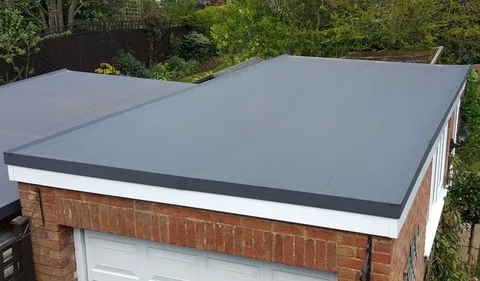
Commercial roofing in Bournemouth requires specific attention in autumn too. Flat roofs, common on commercial buildings and apartment blocks, are prone to pooling water. Ensure all drainage points on flat roofs are completely clear. Standing water in autumn turns into ice in winter, which can split the membrane and cause significant leaks.
Winter: Monitoring and Emergency Preparedness
Winter is about vigilance rather than active maintenance. You generally do not want to be up on a roof in January unless absolutely necessary. Instead, monitor your home from the inside. Go into the loft on a rainy day and look for dark spots on the timber or damp insulation. A musty smell is often the first indicator of a slow leak.
After any major storm—and we always get a few named storms hitting the Dorset coast—do a visual check from the ground immediately. Look for debris on the floor. If you find pieces of slate or tile on your driveway, you know exactly where they came from. Ignoring a missing tile in winter is a gamble. The wind can get under the gap and lift surrounding tiles, turning a minor repair into a major insurance claim.
If you do spot damage, rely on professional help. Roofs are slippery, icy, and dangerous in winter. Local professionals know how to navigate wet slate safely. Whether it is a quick patch-up to tide you over or emergency tarpaulin installation, swift action prevents water from destroying your ceilings and electrical wiring.
Frequently Asked Questions
How often should I have my roof professionally inspected in Bournemouth?
Ideally, you should aim for a professional inspection once a year, or after any significant storm event. However, conducting your own visual checks from the ground should be done seasonally as outlined above.
Does living near the sea really damage my roof faster?
Yes, it does. The combination of salt spray, higher humidity, and stronger winds accelerates the degradation of roofing materials. Metal fixings rust faster, and porous tiles can suffer from salt crystallisation. Bournemouth homes generally require more frequent maintenance than inland properties.
What is the difference between residential and commercial roof care?
Commercial roofing often involves large flat roof areas which have different drainage requirements and material vulnerabilities compared to pitched residential roofs. Commercial maintenance plans focus heavily on membrane integrity and drainage systems to prevent pooling water.
How do I know if I need a repair or a full replacement?
If your roof is over 20 years old and you are spending money on repairs multiple times a year, it is likely more cost-effective to consider roof replacements. Constant patching on an old roof is often a false economy. A professional survey can give you a definitive answer based on the condition of the underlay and timbers.
Is moss on my roof actually a problem?
Small amounts are usually fine, but thick carpets of moss hold moisture against the tiles. In winter, this wet moss freezes and expands, which can crack tiles and degrade the surface. It is best to have it removed gently before it becomes severe.
Conclusion
Caring for your home in Bournemouth is a labour of love. We live in a beautiful part of the world, but our environment demands respect. By following a seasonal rhythm—cleaning in spring, repairing in summer, fortifying in autumn, and monitoring in winter—you extend the life of your property significantly. You stop worrying about every forecast of rain and start enjoying the comfort of a secure, dry home.
Don’t wait for the first drip to appear on your ceiling. If you are unsure about the state of your roof, or if the thought of climbing a ladder fills you with dread, let us handle the hard work. Our team understands the unique challenges of Bournemouth roofing and provides honest, expert assessments.