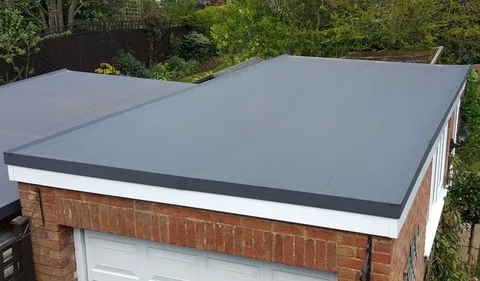
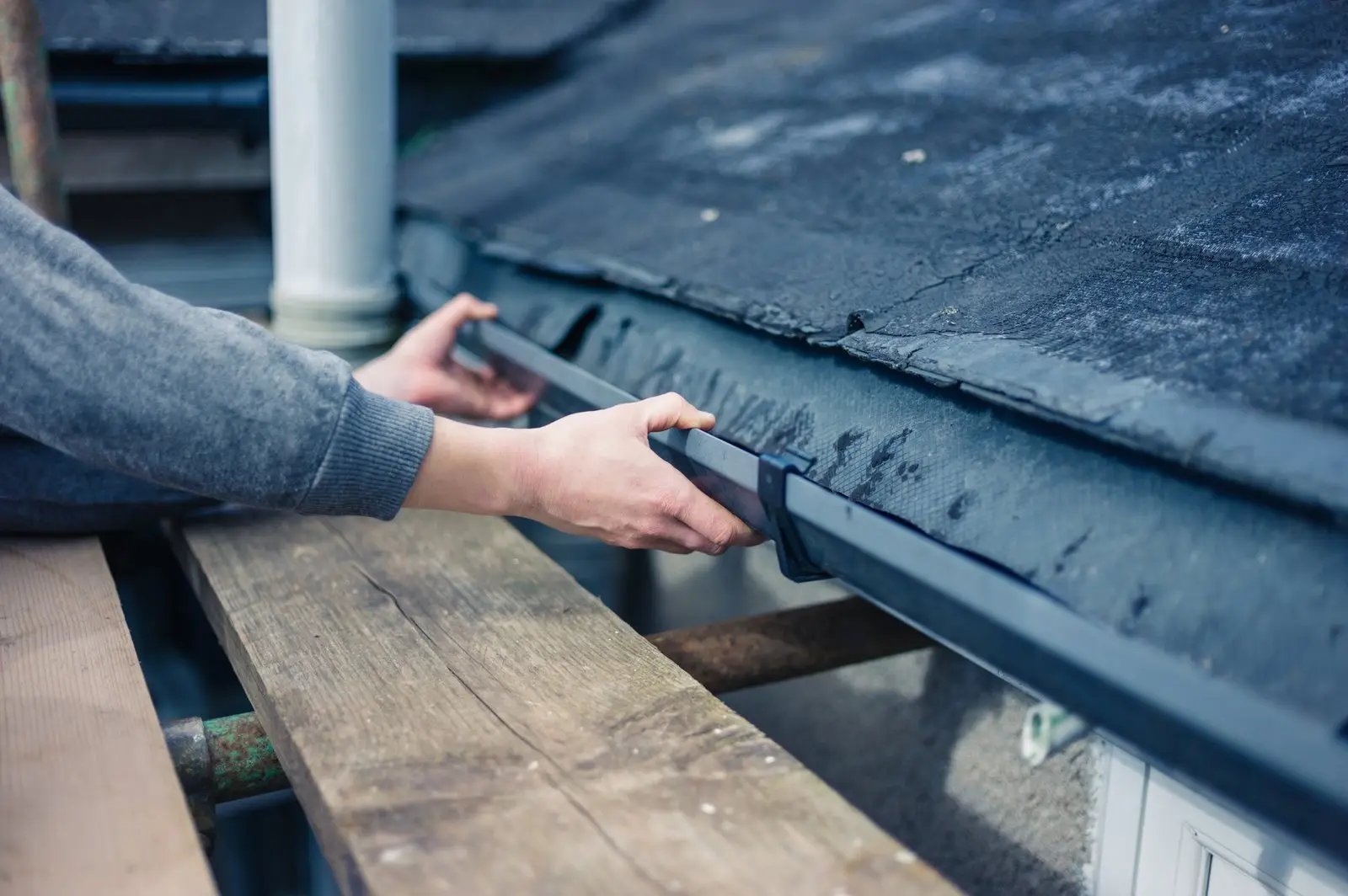
Flat roofs are everywhere in Bournemouth. From garage extensions and dormers to commercial units and apartment blocks, they are a practical choice for modern buildings. But they also have a reputation problem. Homeowners often tell us the same thing: “The roof was replaced a few years ago and it’s already leaking.”
In most cases, the issue is not the flat roof itself. It is how it was installed.
Flat roofs are unforgiving. A small error during installation can shorten their lifespan by years and turn a brand-new roof into an ongoing problem. In a coastal town like Bournemouth, where wind, rain, and salt air are constant factors, those mistakes show up even faster.
This article looks at the most common flat roof installation mistakes we see, why they happen, and how they can be avoided. It is written from real site experience rather than theory, and it is designed to help homeowners and property managers make better decisions before problems start.
Why Flat Roof Installation Quality Matters More Than You Think
Unlike pitched roofs, flat roofs rely on precise detailing to keep water out. They do not shed rain quickly, and they give installers very little margin for error. Even a small defect in drainage, sealing, or materials can lead to standing water, trapped moisture, and gradual failure.
Many of the flat roof installation mistakes we encounter are not dramatic. They are subtle issues that only become visible months or years later. By the time water appears inside the property, the damage has often spread beyond the roof covering into insulation, decking, or internal finishes.
That is why installation quality matters more than the product name on the invoice.
Poor Roof Falls and Inadequate Drainage
One of the most common flat roof installation mistakes is insufficient fall. A flat roof should never be truly flat. It needs a gentle slope to direct water towards outlets or gutters.
In Bournemouth, where heavy rainfall and wind-driven rain are common, poor drainage quickly leads to ponding water. Standing water increases wear on the roof membrane and raises the risk of leaks at joints and edges. Over time, it also adds unnecessary weight to the structure.
This problem usually starts at the design or preparation stage. Sometimes the existing structure is not assessed properly. In other cases, installers rely on the roof covering itself to compensate for a lack of fall, which rarely works long term.
Avoiding this mistake means ensuring proper falls are built into the roof structure or achieved through tapered insulation, not guessed at during installation.
Incorrect Material Choice for the Property Type
Not all flat roofing systems suit all buildings. One of the more expensive mistakes we see is choosing a system based purely on price rather than suitability.
Domestic extensions, garages, and bay roofs often have very different requirements from larger buildings that fall under commercial roofing standards. Foot traffic, plant equipment, and exposure levels all affect which system performs best.
For example, a felt system installed correctly can perform well on smaller domestic roofs, but may struggle on larger commercial surfaces if not specified properly. GRP and single-ply membranes also require specialist knowledge and correct detailing to work as intended.
Choosing the wrong system for the building often leads to premature failure, even if the installation appears tidy at first glance.
Poor Detailing Around Edges, Upstands, and Penetrations
Most flat roof leaks do not occur in the middle of the roof. They occur at the edges.
Weak detailing around upstands, parapet walls, skylights, vents, and pipe penetrations is one of the most consistent flat roof installation mistakes we encounter. These areas move differently to the main roof surface and are exposed to higher stress from wind and temperature changes.
Inexperienced installers may rush this stage or use incorrect fixings, adhesives, or sealants. The result is a roof that looks fine on day one but begins to fail as soon as materials expand and contract.
Proper edge detailing takes time and experience. It also requires the right trims, flashing systems, and compatibility between materials. Cutting corners here almost always leads to callbacks and, in some cases, the need for emergency roofing services during bad weather.
Inadequate Insulation and Vapour Control
Another common mistake is treating insulation and vapour control as an afterthought. Flat roofs are particularly vulnerable to condensation problems if warm, moist air from inside the building is allowed to reach cold surfaces within the roof structure.
When vapour barriers are missing, poorly installed, or punctured, moisture becomes trapped. Over time, this can lead to rot, mould, and loss of thermal performance, even if the roof covering itself remains intact.
Building regulations exist for a reason, but compliance alone is not enough. The insulation system needs to be designed as part of the roof, not added as a box-ticking exercise. This is especially important in extensions and retrofits where older structures may not behave as expected.
Overlaying Old Flat Roofs Without Proper Assessment
Overlaying an existing flat roof can be a cost-effective option in some cases, but it is also a frequent source of problems when done incorrectly.
We often see new membranes installed over old materials without a full inspection of the deck beneath. If moisture is already present or the structure is compromised, the new roof simply traps the problem rather than solving it.
In Bournemouth’s damp coastal climate, this mistake accelerates deterioration. The roof may look new, but internally it continues to degrade until failure becomes unavoidable.
A proper survey should always come before any overlay decision, even if that means higher upfront costs.
Rushed Installations and Lack of Aftercare
Time pressure is another hidden factor behind many flat roof installation mistakes. Tight schedules, poor weather planning, and rushed workmanship often lead to skipped steps and compromised quality.
Flat roofing is not forgiving of shortcuts. Adhesives need correct curing times. Layers must be installed in the right conditions. Details must be checked, not assumed.
Equally important is aftercare. Many issues that lead to emergency roofing services could have been prevented with early inspection and maintenance. A good installer will explain how to look after the roof and what warning signs to watch for.
Real-World Impact of Installation Errors
According to industry data from UK roofing associations, a significant percentage of flat roof failures occur within the first five years, often due to installation errors rather than material defects. In practice, this means homeowners paying twice for the same roof and dealing with disruption that could have been avoided.
In our experience, most of these failures share the same root causes: poor preparation, incorrect detailing, and lack of understanding of how flat roofs behave in real conditions.
Frequently Asked Questions About Flat Roof Installation
What is the most common flat roof installation mistake?
The most common issue is inadequate drainage caused by insufficient roof falls. This leads to standing water, accelerated wear, and leaks, particularly in areas exposed to heavy rainfall like Bournemouth.
How long should a properly installed flat roof last?
A well-installed flat roof using suitable materials should last between 20 and 30 years, depending on the system and maintenance. Many early failures are due to installation mistakes rather than product quality.
Can flat roof leaks be repaired, or is replacement always needed?
Minor leaks can often be repaired if caught early. However, widespread issues caused by poor installation may require partial or full replacement to address underlying problems.
Are flat roofs suitable for commercial buildings?
Yes, flat roofs are widely used in commercial roofing, but they require careful design and professional installation to handle higher usage, drainage demands, and structural loads.
When should I call emergency roofing services?
Emergency roofing services are needed when water ingress is active, structural safety is compromised, or weather conditions are likely to cause immediate damage. Many emergencies stem from avoidable installation errors.
How to Avoid Flat Roof Installation Mistakes
The most reliable way to avoid problems is to work with experienced roofers who understand both materials and local conditions. Installation should always start with a proper survey, clear specification, and realistic timescales.
Cutting costs at installation almost always leads to higher costs later. Flat roofs reward careful planning and punish guesswork.
Final Thoughts and Call to Action
Flat roofs are not inherently unreliable. When installed correctly, they perform extremely well, even in challenging coastal environments. The problems arise when installation mistakes are made and ignored until damage becomes visible.
If you are planning a new flat roof or concerned about an existing one, getting professional advice early can save you significant time, money, and stress. Whether it is a domestic extension or a larger commercial roofing project, the principles remain the same: correct design, correct materials, and correct installation.