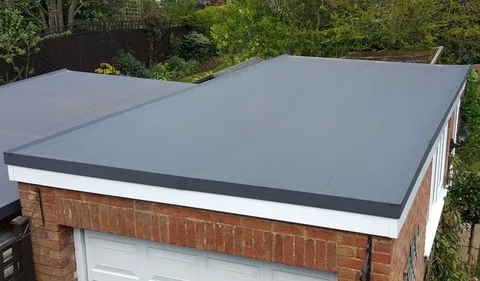
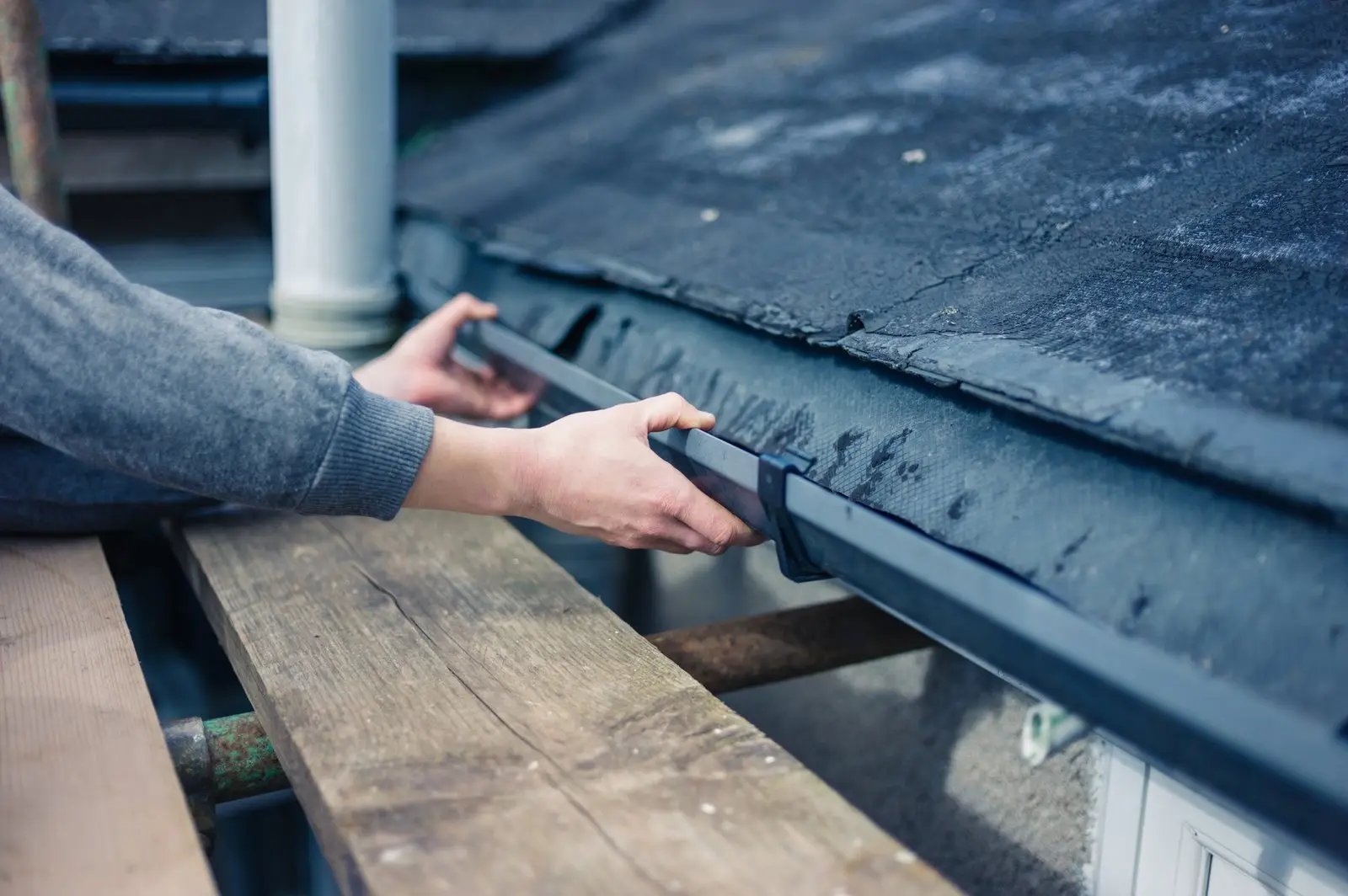
Flat roofs are widely used across Bournemouth for extensions, garages, dormers and commercial units. They are practical and cost effective, but when problems develop, they tend to worsen quickly. If you are searching for Common Flat Roof Leaks, you are likely already dealing with damp patches, bubbling felt or water sitting on the surface after rain.
This guide explains the real causes behind flat roof leaks, how professionals fix them properly, and when a repair becomes a replacement. The goal is simple: help you understand the problem and make a confident decision before damage spreads.
What Are the Most Common Flat Roof Leaks?
Flat roof leaks usually form in predictable weak points. While symptoms may look similar from inside your property, the underlying causes vary.
Cracked or Split Felt Membranes
One of the most common flat roof leaks comes from ageing felt membranes. Over time, UV exposure, temperature shifts and coastal salt air in Bournemouth weaken bitumen-based systems. Small cracks form first, then splits develop along joints.
Professionals begin by cutting back the damaged area and drying the substrate thoroughly. They then apply primer and install a bonded repair patch. However, if the felt is brittle across large areas, a full upgrade to GRP fibreglass or EPDM rubber may be recommended. Repairing isolated splits works only if the rest of the roof is structurally sound.
Ponding Water and Drainage Failure
Flat roofs are designed with a slight fall, even though they appear level. When water remains on the surface for more than 48 hours, it stresses seams and gradually weakens the membrane. In coastal Dorset, repeated heavy rainfall accelerates this issue.
A professional roofer will inspect drainage outlets, assess structural sagging and determine whether the decking has dipped. In some cases, improving drainage is enough. In others, tapered insulation or partial reconstruction is needed to restore correct water flow. Simply sealing over a leak without addressing ponding guarantees recurrence.
Failed Flashing at Edges and Upstands
Another frequent cause of common flat roof leaks is failed flashing where the roof meets walls, parapets or chimneys. Flashings expand and contract with temperature changes. Over time, they can separate from masonry or tear away from the membrane.
Roofing specialists remove compromised flashing and replace it with properly secured lead or GRP trims. If leaks occur near chimney stacks, this may also require chimney repointing or leadwork repair. Addressing connected elements at the same time prevents repeat water ingress.
Poor Installation or Low-Quality Materials
Not all flat roof leaks are age related. Many result from poor workmanship. Incorrect overlaps, insufficient bonding, weak detailing around penetrations or use of cheap materials can lead to premature failure within a few years.
When professionals assess these roofs, they evaluate the entire system rather than patching visible damage. In some cases, it is more cost effective to install a new flat roof system than to repeatedly repair an incorrectly installed one. A proper installation ensures long-term waterproofing and manufacturer-backed guarantees.
Leaks Around Skylights and Roof Penetrations
Any opening in a flat roof creates a potential weak point. Rooflights, vent pipes and cable penetrations require precise sealing. Movement around these areas often causes cracks that allow water to enter gradually.
A professional repair involves resealing penetrations with compatible materials and reinforcing high-stress areas. In some cases, upgrading older roof windows improves both insulation and weather resistance.
How Professionals Diagnose Flat Roof Leaks
One of the biggest misconceptions about common flat roof leaks is that the internal damp patch sits directly beneath the entry point. In reality, water can travel along decking or insulation before appearing indoors.
Professional roofers carry out a structured inspection. They assess the surface condition, check seam integrity, examine flashing details and test drainage performance. They also evaluate the structural deck beneath the membrane.
Industry guidance from organisations such as the National Federation of Roofing Contractors highlights poor detailing and drainage as leading causes of early failure. A proper inspection focuses on identifying the root cause, not just the symptom.
When Is a Repair Not Enough?
If your flat roof is approaching 20 years old, has been repaired multiple times or shows widespread blistering, patch repairs may only provide short-term relief. Structural sagging or persistent ponding usually indicates deeper issues.
Modern systems such as GRP fibreglass and EPDM rubber provide improved durability and longer life expectancy compared to traditional felt. Replacing an ageing system often proves more cost effective than ongoing temporary fixes.
Why Coastal Properties in Bournemouth Face Higher Risk
Bournemouth properties experience salt-laden air, strong winds and heavy rainfall. These environmental factors accelerate material breakdown and increase stress on flat roofing systems.
Local experience matters. A roofing solution must account for coastal exposure. Using appropriate materials and installation methods designed for this environment reduces future risk.
The Real Cost of Ignoring Common Flat Roof Leaks
A small leak rarely stays small. Continued water ingress can damage insulation, rot timber decking and weaken joists. It can also lead to internal mould growth, affecting indoor air quality.
What begins as a minor repair can quickly become structural work. Early intervention significantly reduces total cost.
Related Roofing Services That Often Go Hand in Hand
Flat roof leaks sometimes reveal wider issues. During inspection, you may also discover problems requiring pitched roof repairs, tile or slate replacement, gutter repairs or even full roof replacement. Addressing interconnected issues at once prevents repeated disruption and additional callout costs.
Frequently Asked Questions
What is the most common cause of flat roof leaks?
Membrane failure at seams and joints, often worsened by ponding water or ageing felt systems.
How long should a flat roof last?
Traditional felt roofs last between 10 and 20 years. Modern GRP or EPDM systems can exceed 25 years when professionally installed.
Can flat roof leaks cause structural damage?
Yes. Ongoing water penetration can weaken decking and supporting timbers if left untreated.
Fix the Cause, Not Just the Leak
Common flat roof leaks rarely resolve on their own. The longer water enters your property, the more complex and expensive the solution becomes.
If you are dealing with flat roof issues in Bournemouth, arranging a professional inspection gives you clarity. You will know whether a targeted repair is sufficient or whether replacement offers better long-term value.
Taking action now protects your property, avoids escalating repair costs and ensures your roof performs properly in challenging coastal conditions.