If you live in Bournemouth, you’ve probably noticed how the mix of coastal winds, salt in the air and unpredictable rain can take a toll on your roof. Many homeowners only realise something is wrong when water starts creeping down a bedroom wall or they spot a missing tile after a storm. By then, the damage is already underway. Understanding the most common roof problems and how to deal with them can save a lot of stress and unexpected expense. Over the years, working with local properties and speaking with roofing specialists across the region has made it clear that many of these issues follow the same patterns, especially in older Bournemouth homes and commercial buildings.
Weather Damage and Loose Tiles
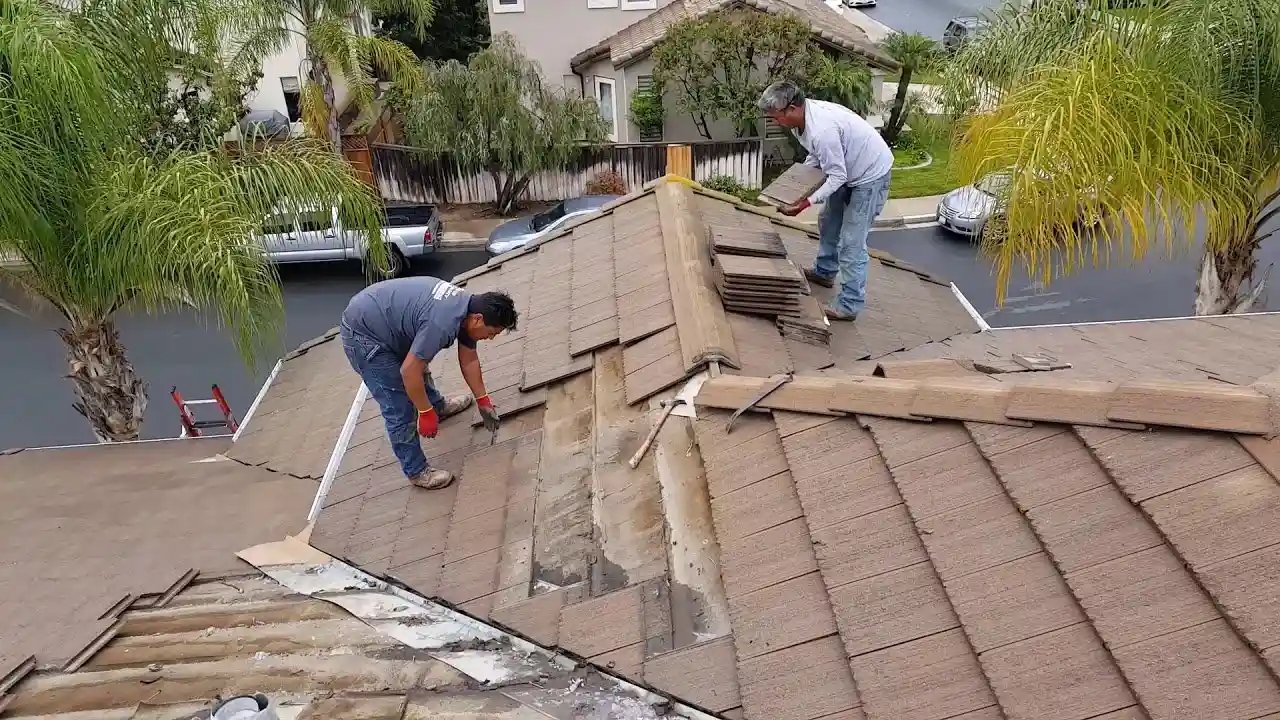
One of the most frequent issues in Bournemouth is loose or broken roof tiles. Strong coastal winds have a habit of lifting tiles just enough to break the seal, creating small gaps that let rainwater through. You may not notice the problem straight away, but the first sign is often a damp patch on a ceiling or water staining around the edges of internal walls. Leaving a tile problem unresolved can lead to far more serious issues, such as rotting battens or mould inside the loft space.
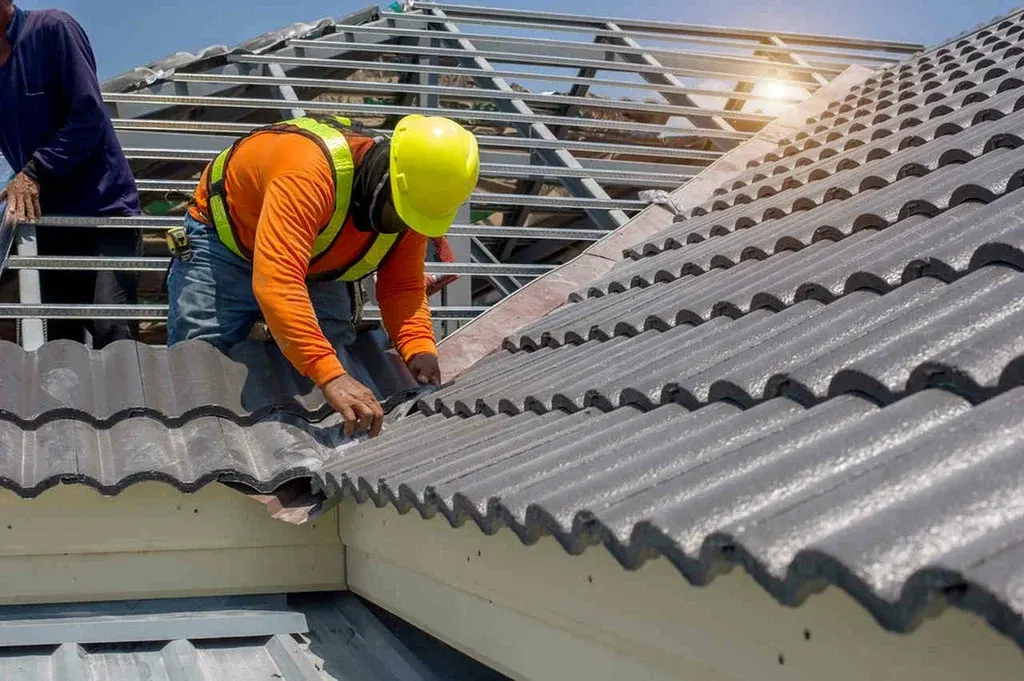
Fixing this usually involves replacing broken tiles and re-securing any that have shifted. A professional roofer can spot weaknesses that aren’t visible from ground level, which is why many residents schedule seasonal roof checks. For commercial roofing, the risk is even greater, as larger roof surfaces and heavier foot traffic for maintenance make loose tiles and cracked materials more common.
Blocked Gutters and Water Overflow
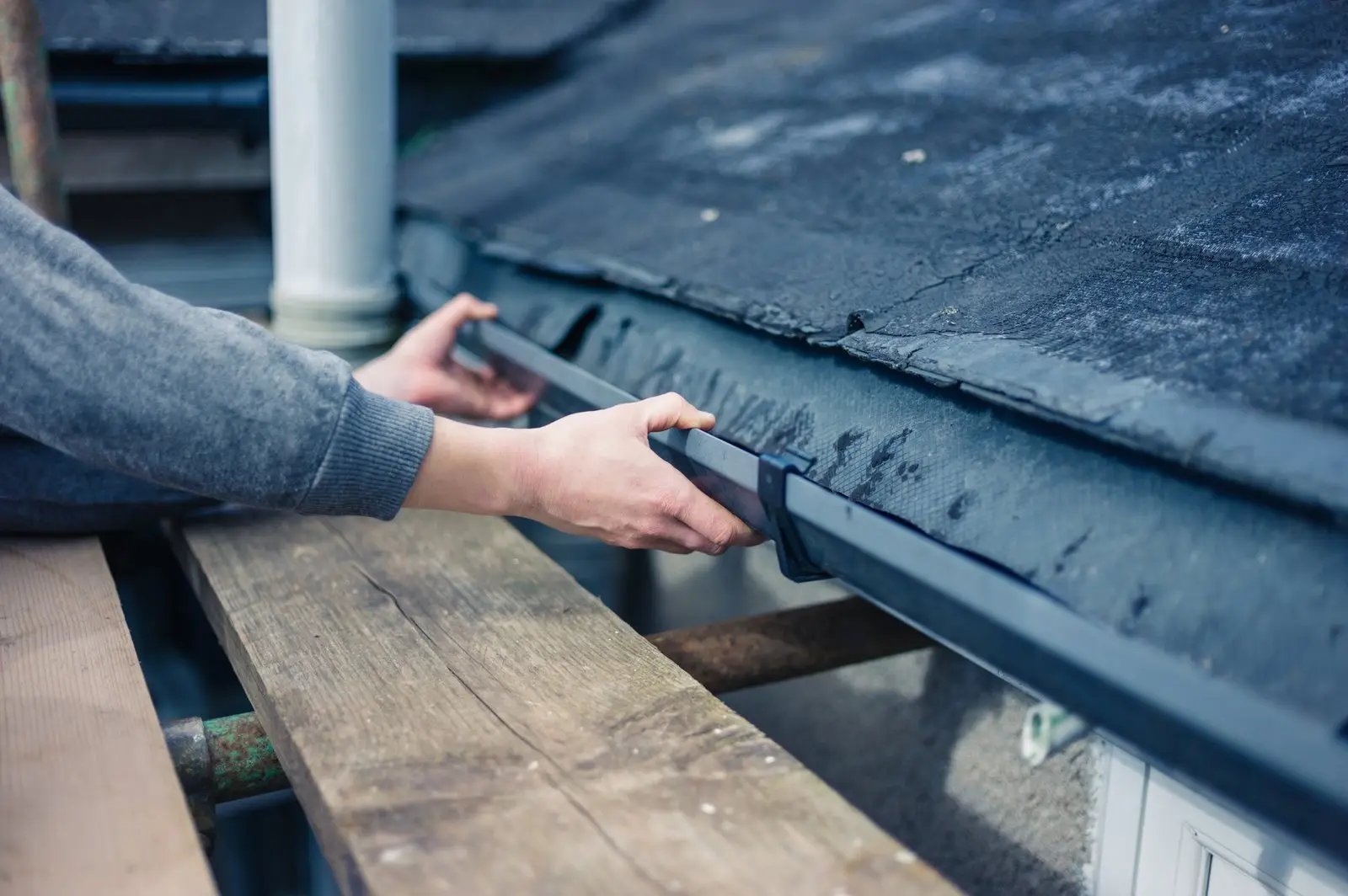
Bournemouth’s leafy neighbourhoods are beautiful, but falling leaves combined with coastal debris often block gutters much faster than homeowners expect. When gutters overflow, water runs down the external walls and sometimes seeps into the roofline. Over time, this can soften fascia boards, cause damp patches inside the home and even affect the structure of the roof.
Regular cleaning is the simplest fix, but if water has already caused damage, sections of guttering or fascia may need replacing. In several cases reported by local roofers, what started as a blocked gutter eventually led to emergency roofing services because water had made its way into the loft and damaged insulation. Preventative maintenance is always cheaper and easier than reactive repairs.
Flat Roof Leaks
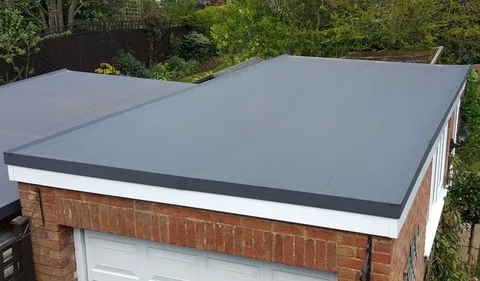
Flat roofs are common on extensions, garages and commercial buildings in Bournemouth. Although they are practical and cost-effective, they are more prone to pooling water. After heavy rain, water often sits in dips or low spots, which gradually weakens the roofing material. Once a crack forms, leakage is almost guaranteed.
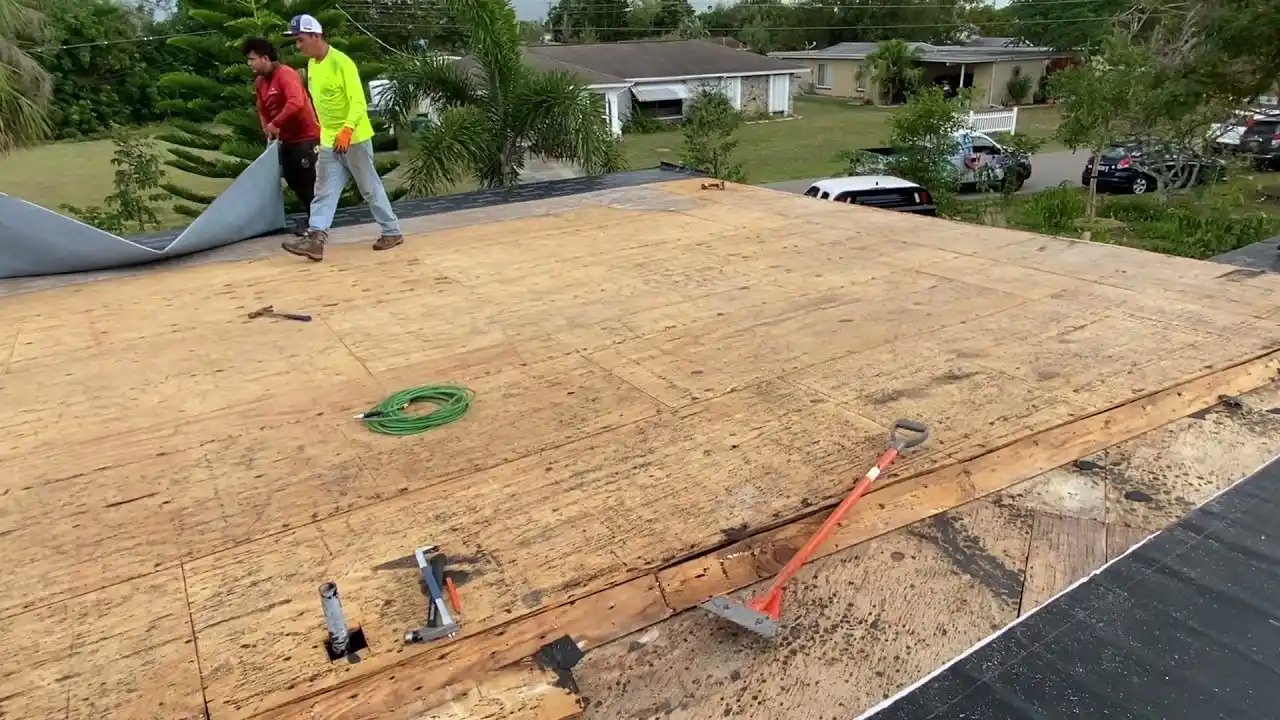
Fixing flat roof problems ranges from patch repairs to full replacements depending on the severity. Using modern materials such as EPDM rubber or GRP fibreglass can offer long-term protection. Commercial roofing teams in the area often recommend proactive inspections because even small faults on a flat roof can escalate quickly, especially during winter storms.
Moss, Algae and Salt Exposure
Because Bournemouth is a coastal town, roofs here experience more salt exposure than inland properties. Salt accelerates the ageing of roofing materials, making tiles more brittle over time. The damp conditions also encourage moss and algae growth, particularly in shaded areas of the roof. Moss isn’t just an aesthetic issue. It holds moisture against the tiles and can lift them slightly as it grows, increasing the chance of leaks.
Removing moss safely and treating the roof with an appropriate biocide is usually the best solution. For long-term protection, many homeowners pair this with repairs or protective coatings. Roofing experts often warn against aggressive pressure washing because it can strip the protective layers from tiles and shorten the roof’s lifespan.
Chimney and Flashing Failures
Older Bournemouth homes, especially Victorian and early twentieth-century builds, often have traditional brick chimneys. Over time, the mortar between the bricks can deteriorate and flashing can loosen. Flashing is crucial because it creates the seal between the chimney and the roof. When it fails, water has a direct entry point into the loft.
Repairing flashing is a delicate job that involves resealing or replacing metal sections. Chimney repointing may also be necessary if the brickwork has weakened. A local roofing specialist once shared an example of a property in Winton where a small flashing crack led to extensive internal water damage simply because it went unnoticed for months.
Sagging Roof Structures
A sagging roof is one of the more serious problems Bournemouth homeowners face. It’s usually caused by prolonged water damage, weakened rafters or the weight of multiple layers of roofing material. Some older properties still have original structural timber that has softened over time, especially when exposed to humidity.
Fixing a sagging roof often requires structural reinforcement. This is not a DIY-friendly issue and should always be addressed by trained professionals. Emergency roofing services may be needed if the sagging becomes severe, especially during periods of heavy rain.
When Should You Call for Emergency Roofing Services?
There are times when roof problems need immediate action. If water is entering your home, if tiles have fallen after a storm or if you notice unusual sagging, delaying can cause serious structural issues. Emergency roofing services in Bournemouth are equipped to respond quickly, make the roof safe and protect your property from further damage. Even temporary repairs can prevent thousands of pounds worth of future costs.
Professional and Commercial Roofing Support in Bournemouth
Whether you’re dealing with a small leak or a large commercial roofing project, professional expertise makes a noticeable difference. Experienced roofers understand the behaviour of materials in coastal environments and can offer solutions tailored to Bournemouth’s climate. Many commercial properties rely on preventative maintenance contracts to reduce the risk of sudden failures, extend the lifespan of their roofs and ensure safety compliance.
FAQs
What are the most common roof problems in Bournemouth?
Loose tiles, blocked gutters, flat roof leaks, moss growth and flashing failures are among the most common issues in the area due to the coastal climate.
Can I fix roof problems myself?
Minor tasks such as clearing gutters are manageable, but most structural or safety-related issues should be handled by professionals.
How often should my roof be inspected?
Most roofing specialists recommend at least one inspection a year, ideally before winter or after severe storms.
What counts as a roofing emergency?
Active leaks, fallen tiles, storm damage and visible structural sagging should be treated as emergencies.
Do commercial roofs need different maintenance?
Yes, commercial roofing covers larger areas, uses different materials and often carries heavier maintenance traffic, which means more frequent inspections are essential.
Final Thoughts and Call to Action
Looking after your roof may not be the most exciting job, but it’s one of the most important for keeping your home safe and comfortable. Bournemouth’s coastal conditions mean roofs here work harder than most. Whether it’s a small repair or a larger commercial roofing project, taking action early can prevent damage from escalating.
If you’ve spotted any signs of roof problems or want a professional opinion, get in touch with a trusted local roofing specialist. A quick inspection today can save a great deal of time and money in the long run.