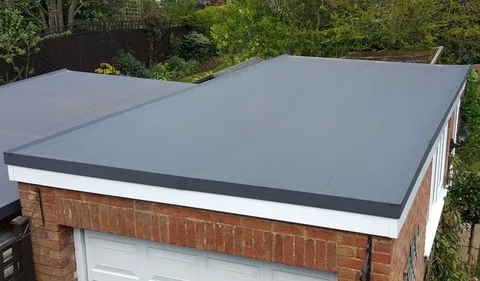
Flat roofs are everywhere in Bournemouth. From post-war extensions and garages to modern apartment blocks and small commercial units, they are a practical solution in a space-conscious coastal town. But after years of inspecting and repairing them locally, one thing is clear. Flat roofs rarely fail overnight. They fail slowly, quietly, and often expensively if the early signs are ignored.
If you own or manage a property here, understanding the most common flat roofing problems can save you a lot of stress and money. This guide is based on what roofers actually see on Bournemouth properties, not textbook theory.
Why Flat Roofs Struggle More in Bournemouth
Bournemouth’s coastal climate is tough on buildings. Salt in the air, sudden downpours, high winds, and wide temperature swings all put extra pressure on flat roofing systems. Unlike pitched roofs, flat roofs have little margin for error when water does not drain properly.
Many of the flat roofing problems we encounter are not caused by poor materials alone. They usually come down to design shortcuts, ageing systems, or lack of maintenance over time.
Ponding Water That Never Quite Dries
One of the most common flat roofing problems we see is standing water that remains days after rainfall. Flat roofs are not meant to be perfectly level. They should have a subtle fall that directs water towards outlets or gutters. When that fall is missing or has settled unevenly, water pools.
In Bournemouth, heavy rain can expose this quickly. Ponding water adds constant pressure to the roof covering and speeds up material breakdown. Over time, it finds weak points at seams and edges. We often see this on older felt roofs and on extensions where drainage was an afterthought rather than part of the original design.
Failed Seams and Splits in the Roof Covering
Flat roofs rely on joints more than pitched roofs do. Whether the system is felt, GRP, or rubber, seams are always a vulnerability. As materials expand and contract with temperature changes, poorly bonded joints begin to split.
Once this happens, water ingress is only a matter of time. In many Bournemouth homes, the first sign is staining on ceilings or walls weeks after the initial failure. At that point, roof repairs are usually unavoidable, but catching the issue early can prevent damage to insulation and internal finishes.
Blocked Outlets and Poor Gutter Integration
A flat roof is only as good as its drainage. We frequently see roofs where outlets are partially blocked or gutters are undersized. Leaves, moss, and coastal debris build up quickly here, especially in properties near trees or open green areas.
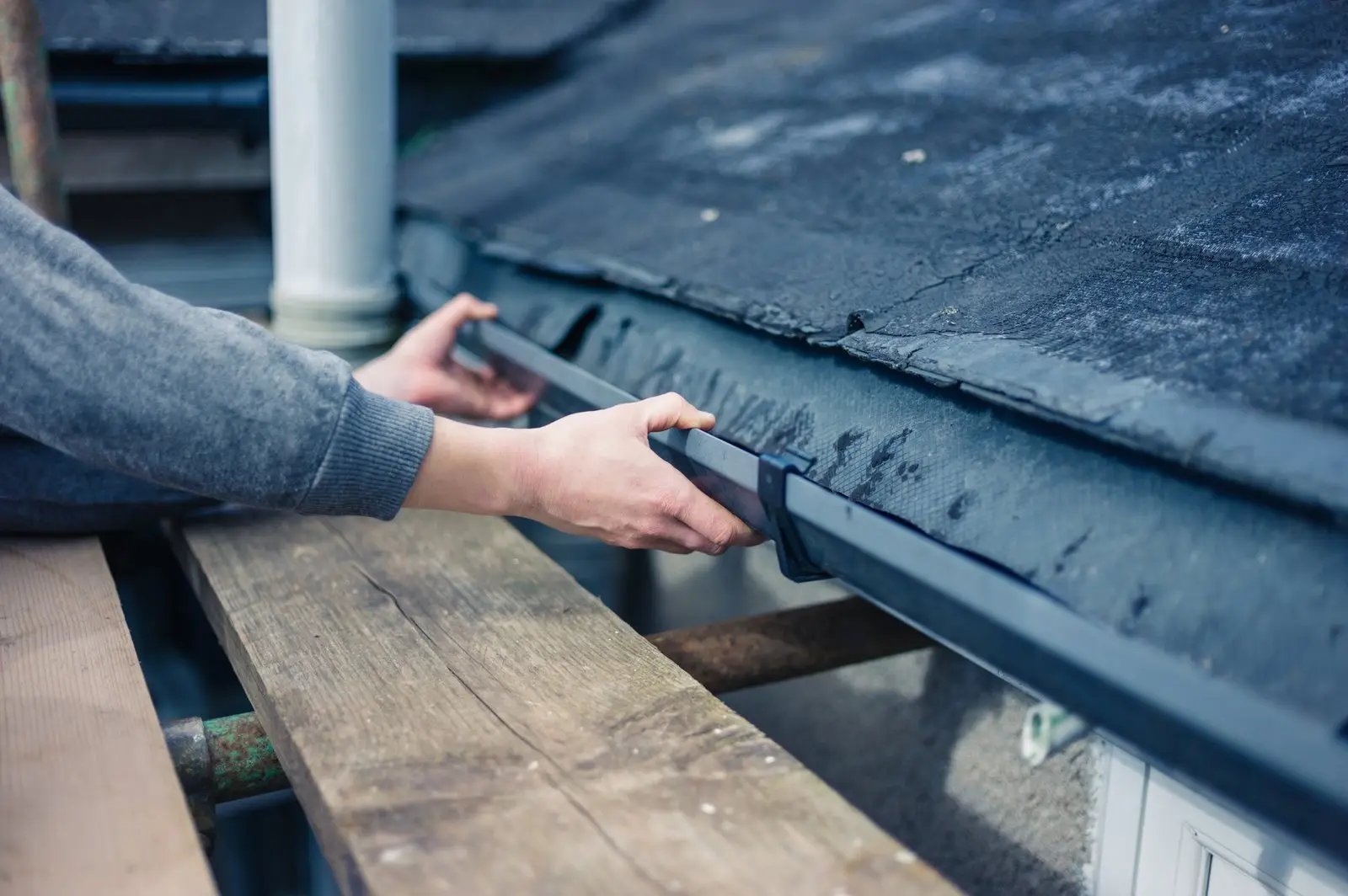
This is where gutter installation plays a bigger role than many homeowners realise. When gutters are poorly aligned or inadequately sized, water backs up onto the roof surface. Over time, this contributes to leaks, rot at roof edges, and damage to fascias and brickwork below.
Deteriorating Flashings Around Roof Edges
Flashings are often overlooked until they fail. On flat roofs, the junction between the roof and walls, parapets, or skylights is critical. In Bournemouth properties, wind-driven rain frequently exploits even small gaps in flashing details.
We often see ageing lead or felt flashings pulling away from walls or cracking due to movement. This allows water to track behind the roof covering and enter the structure unnoticed. These failures are common on extensions added decades ago, where materials have simply reached the end of their service life.
Insulation Problems That Lead to Hidden Damage
Many older flat roofs were built with little or no insulation by modern standards. This leads to condensation forming inside the roof structure, particularly during colder months. Over time, trapped moisture causes timber decks to soften and fixings to corrode.
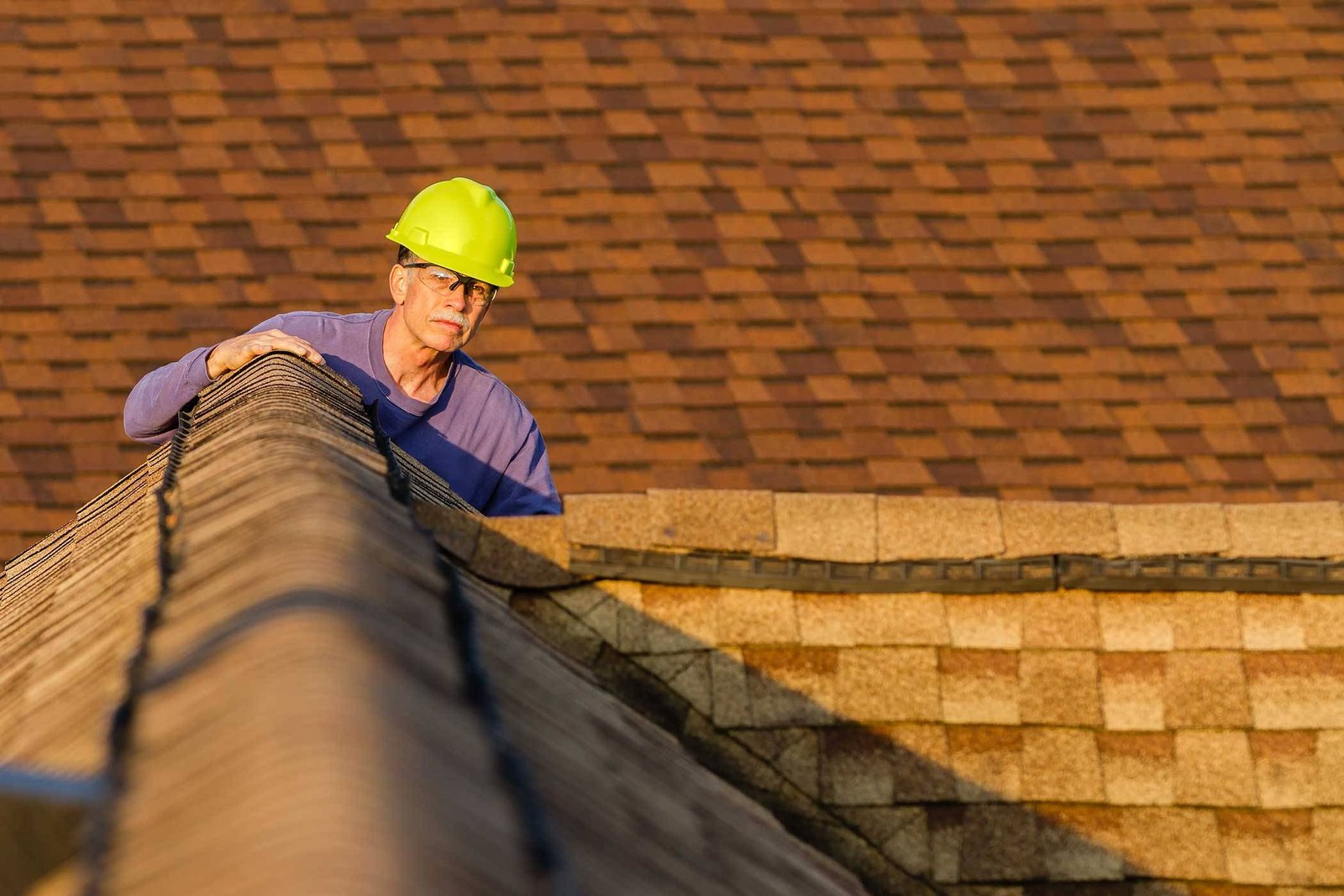
In some cases, the roof covering looks intact from above, but the structure underneath has already been compromised. This is why professional inspections matter. A surface check alone does not always tell the full story.
Poor Repairs That Create Bigger Issues Later
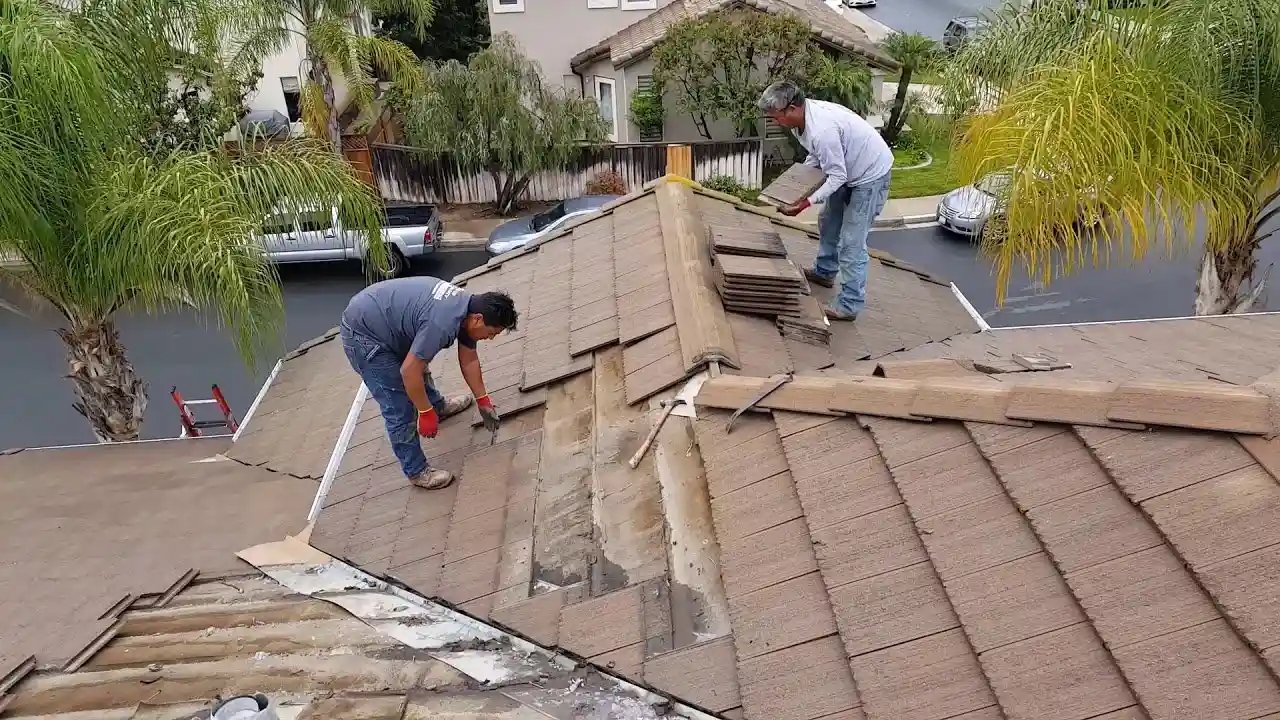
Another recurring issue is poorly executed patch repairs. Temporary fixes using incompatible materials often create more problems than they solve. We regularly see situations where short-term repairs have trapped moisture or redirected water into new areas.
This is especially common on properties where multiple contractors have worked on the roof over the years without a clear long-term plan. In both domestic and commercial roofing settings, consistency in materials and repair methods is essential.
Flat Roofing Problems in Commercial Properties
Commercial buildings in Bournemouth face similar issues but at a larger scale. Flat roofs on offices, retail units, and warehouses often have heavy foot traffic from maintenance teams. Without proper protection, this accelerates wear.
Drainage is also more complex on commercial roofing systems. Larger roof areas mean more outlets, and if even one fails, the impact can be significant. Regular inspections and planned maintenance are critical to avoiding disruption and costly emergency repairs.
Why Early Inspection Makes a Real Difference
Most flat roofing problems do not require full replacement if caught early. Small splits, blocked outlets, or failing flashings can usually be addressed with targeted roof repairs. The challenge is that flat roofs rarely announce problems loudly.
We often advise Bournemouth homeowners to inspect flat roofs at least once a year and after major storms. This aligns with guidance from organisations such as Met Office, which regularly reports increased rainfall intensity in coastal areas.
Frequently Asked Questions About Flat Roofing Problems
How long should a flat roof last in Bournemouth?
A well-installed flat roof can last between 20 and 40 years depending on the material and maintenance. Coastal exposure can shorten this lifespan if issues are not addressed early.
Are flat roofs more prone to leaks than pitched roofs?
Flat roofs are not inherently faulty, but they are less forgiving. Small drainage or installation issues can lead to leaks more quickly than on pitched roofs.
Can flat roofing problems be repaired without replacing the whole roof?
In many cases, yes. Localised repairs are effective when problems are identified early and the underlying structure is sound.
Does poor guttering really affect flat roofs?
Absolutely. Faulty or blocked gutters are a major contributor to water pooling and edge damage on flat roofs.
Final Thoughts and Next Steps
Flat roofing problems are common in Bournemouth, but they are rarely inevitable. Most issues stem from drainage failures, ageing materials, or lack of regular inspection. The earlier they are identified, the simpler and more affordable the solution usually is.
If you are unsure about the condition of your flat roof, a professional inspection can provide clarity and prevent avoidable damage. Whether it is routine maintenance, gutter installation, or expert roof repairs, addressing problems early is always the smarter option.
If you would like tailored advice for your property or want to explore long-term solutions, speak to a local roofing specialist who understands Bournemouth’s unique conditions.