Most roofing problems do not start with a dramatic collapse or water pouring through the ceiling. They begin quietly. A slipped tile. A patch that never quite dries. A repair that looks fine from the pavement but slowly lets water creep in underneath. By the time homeowners realise something is wrong, the damage is often deeper and far more expensive than it needed to be.
In places like Bournemouth, where coastal weather brings wind, salt in the air, and sudden downpours, poor roofing work rarely stays hidden for long. The challenge is knowing what to look for early, before a minor issue turns into a full-scale repair or replacement job. Understanding how to spot poor roofing work can save you money, stress, and a lot of disruption later on.
Why Poor Roofing Work Is More Common Than People Think
Roofing is one of those trades where the quality of work is not always immediately visible. Much of it is out of sight, either above eye level or beneath tiles and membranes. That makes it easier for rushed or inexperienced contractors to cut corners, especially during roof repairs that are meant to be quick fixes.
Homeowners often assume that if a leak stops or a tile looks straight, the job has been done properly. In reality, many roofing failures happen because shortcuts were taken during installation. Incorrect fixing methods, poor material choices, or inadequate preparation may not cause problems straight away, but they almost always show up within a few seasons.
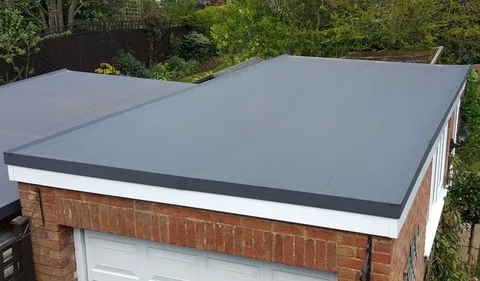
In commercial roofing, these issues can be even more costly. Flat roofs on offices or retail units rely heavily on correct detailing and drainage. A small installation error can lead to standing water, membrane failure, and internal damage that disrupts business operations.
The Early Visual Signs You Should Never Ignore
One of the clearest ways to spot poor roofing work is through visual inconsistencies. Roofs are repetitive structures by nature. Tiles should line up neatly, ridges should run straight, and flashing should sit flush against walls and chimneys. When something looks uneven, forced, or patched together, it usually is.
In Bournemouth homes, wind damage often exposes weak workmanship. Tiles that lift easily, ridge caps that loosen after mild storms, or lead flashing that curls away from brickwork are all red flags. These are not just signs of weather exposure, but indicators that materials were not secured or detailed correctly in the first place.
When Roof Repairs Make Things Worse Instead of Better
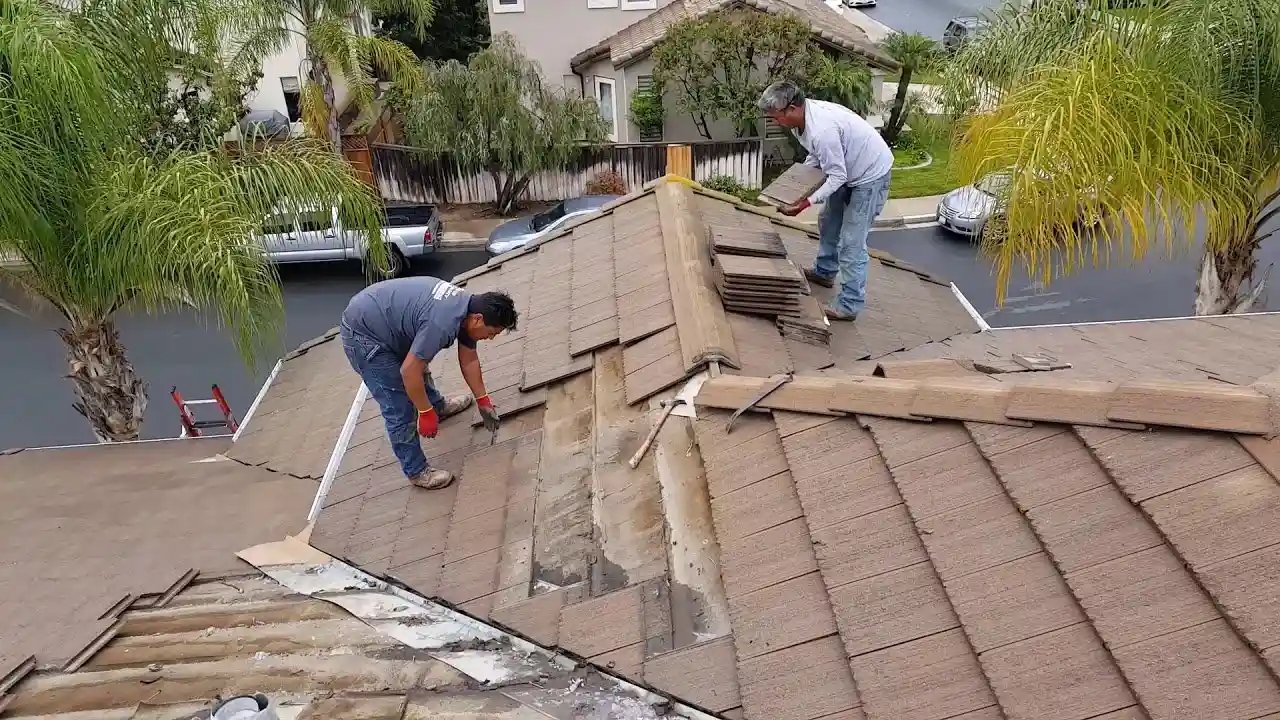
A surprising number of problems come from previous repair work rather than the original roof installation. Temporary fixes that are treated as permanent solutions are one of the biggest causes of long-term damage.
Using excessive sealant instead of proper flashing, overlapping incompatible materials, or replacing broken tiles without addressing the underlying issue are all common mistakes. These approaches may stop water briefly, but they often trap moisture or redirect it elsewhere.
Over time, this can rot timbers, damage insulation, and weaken structural elements. What started as a small repair can then escalate into a much larger project, sometimes requiring partial or full roof replacements that could have been avoided.
Poor Drainage Is a Silent Warning Sign
Drainage issues are one of the most overlooked indicators of poor roofing work, particularly on flat or commercial roofs. Water should always move away from the roof surface efficiently. When it does not, there is usually a problem with design, installation, or maintenance.
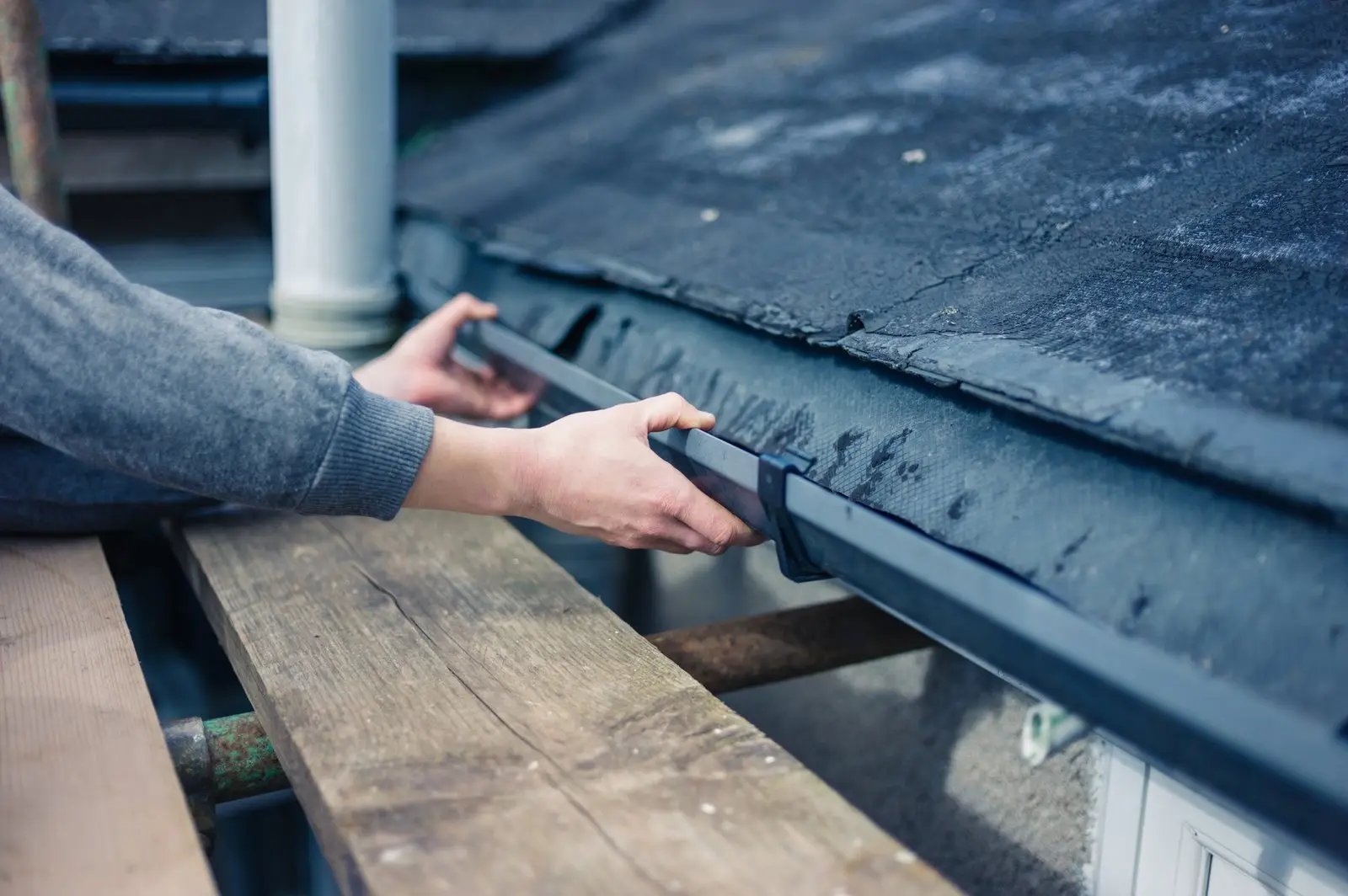
Pooling water, blocked outlets, or sagging sections of roof suggest that falls were not formed correctly or that materials have been laid without sufficient support. In coastal areas like Bournemouth, standing water also accelerates wear due to salt and debris buildup.
The Difference Between Wear and Bad Workmanship
It is important to distinguish between natural wear and poor workmanship. All roofs age, but they should do so gradually and predictably. When problems appear unusually quickly, that is when workmanship should be questioned.
For example, a well-installed tiled roof should last decades with routine maintenance. If tiles are cracking, slipping, or leaking within a few years, the issue is rarely the material itself. It is more often related to fixing methods, batten spacing, or inadequate underlay.
Why Professional Inspections Matter
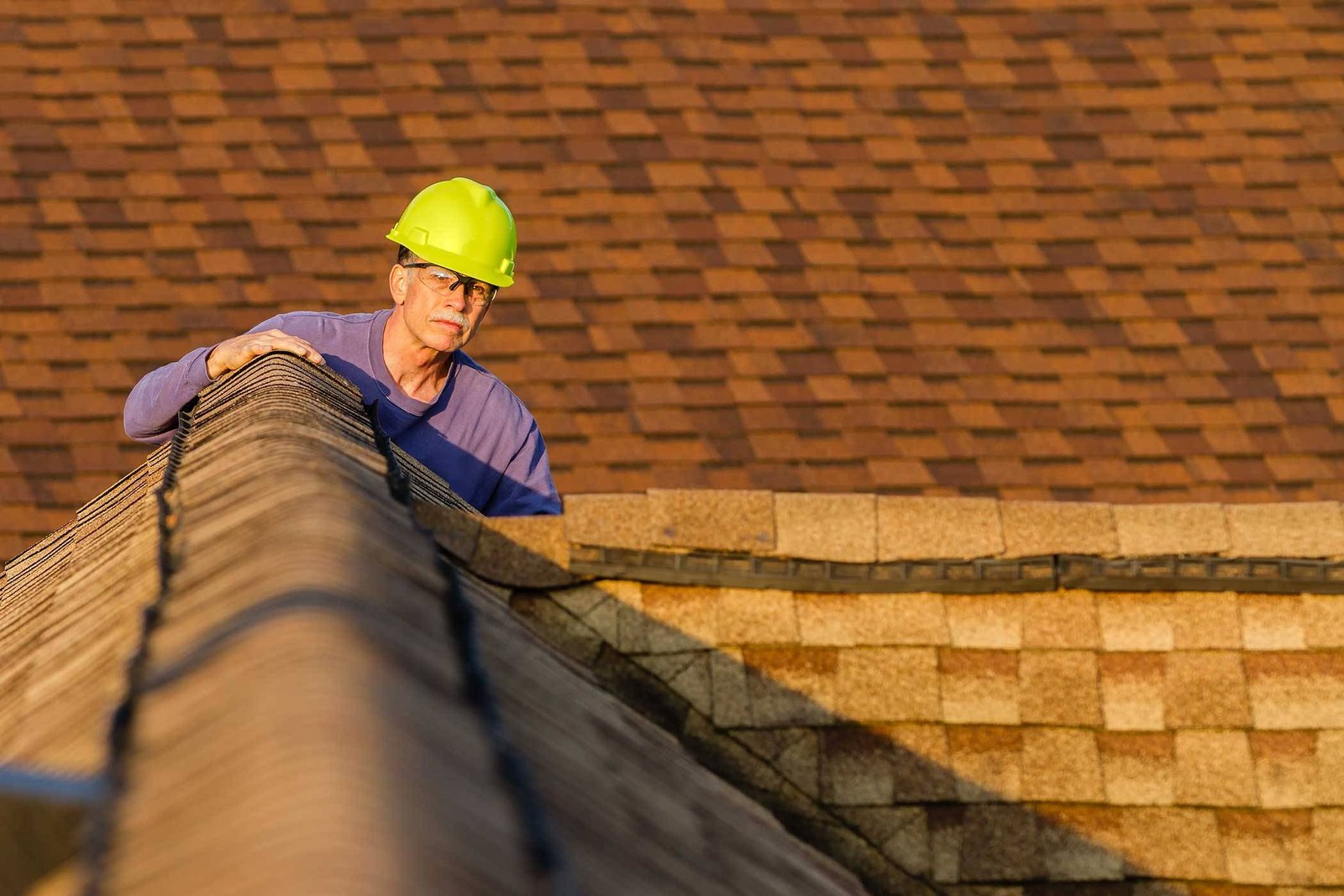
One of the most reliable ways to spot poor roofing work early is through a professional inspection. Experienced roofers know where problems tend to hide and what shortcuts look like once time and weather have taken their toll.
In Bournemouth, seasonal inspections are particularly valuable. Storms and temperature changes can reveal weaknesses that remain hidden in calmer months. A proper inspection does more than look for obvious damage. It assesses ventilation, drainage, fixings, and material compatibility.
Independent inspections are also useful after major work has been completed. They provide peace of mind and ensure that what you paid for has actually been delivered to a professional standard.
How Poor Roofing Impacts Property Value and Insurance
Roofing issues do not just affect comfort. They can directly impact property value and insurance claims. Surveyors are quick to flag visible defects or signs of previous poor work, and buyers often use these findings to renegotiate or walk away.
Insurance providers may also refuse claims if damage is traced back to inadequate repairs or substandard workmanship. In commercial roofing scenarios, this can lead to significant financial exposure, especially if business interruption is involved.
Choosing the Right Roofing Contractor from the Start
Many roofing problems could be avoided by choosing the right contractor initially. Transparent quotations, clear explanations of methods, and a willingness to discuss alternatives are all good signs. Vague promises, pressure tactics, or reluctance to put details in writing are not.
Local knowledge matters too. Roofers who understand Bournemouth’s climate and building styles are better equipped to recommend appropriate materials and techniques. That experience shows in how well roofs perform over time.
FAQs: How to Spot Poor Roofing Work
How soon can poor roofing work start causing problems?
In some cases, issues appear within months, especially after heavy rain or storms. Others may take a year or two to become noticeable, which is why early inspections are important.
Is poor roofing work always visible from the outside?
No. Some of the most serious problems happen beneath the surface, such as incorrect underlay installation or inadequate ventilation.
Can poor roofing affect energy efficiency?
Yes. Gaps, moisture ingress, and compressed insulation caused by bad workmanship can increase heat loss and raise energy bills.
Should I replace my roof if I suspect poor work?
Not always. Many issues can be corrected with targeted roof repairs if caught early enough. A professional assessment is key.
Does commercial roofing face the same risks as residential roofing?
Yes, and often more so. Larger roof areas and flat designs mean that small installation errors can have wider consequences.
Final Thoughts and What to Do Next
Learning how to spot poor roofing work puts control back in your hands. It helps you ask better questions, make informed decisions, and avoid unnecessary costs. In a place like Bournemouth, where roofs face constant exposure to challenging weather, that knowledge is especially valuable.
If you have concerns about your roof, whether it is a family home or a commercial property, early advice can make all the difference. A professional inspection today could prevent a much bigger problem tomorrow.
If you would like expert guidance on roof repairs, commercial roofing, or honest advice on whether roof replacements are truly necessary, get in touch with a trusted local roofing specialist and take the guesswork out of protecting your property.