If you own a property in Bournemouth, this question usually comes up after the second or third repair, not the first. One leak gets fixed, then another appears months later. You start wondering whether you are being sensible by repairing or simply delaying the inevitable. The truth is that roof replacement is not always the right answer, but neither is endlessly patching a roof that is quietly failing.
This decision matters more in Bournemouth than many homeowners realise. Coastal weather, salt in the air, and strong winds put roofs under constant pressure. What works as a short-term fix elsewhere can become a long-term money drain here.
This guide walks through how to make the decision properly, based on real conditions, not guesswork or sales talk.
Why This Question Comes Up So Often in Bournemouth
Bournemouth roofs age differently. Wind-driven rain exposes weak points quickly. Salt accelerates corrosion on fixings and flashing. Many properties also sit within older housing stock where roof structures were never designed for modern weather patterns.
Homeowners often start with roof repairs because they seem cheaper and less disruptive. That makes sense initially. The problem begins when repairs stop being occasional and start becoming routine. At that point, the cost calculation changes.
When Roof Repairs Still Make Sense
Roof repairs are absolutely the right option in certain situations. If the damage is isolated, recent, and not structural, repairing is often the most cost-effective and responsible choice.
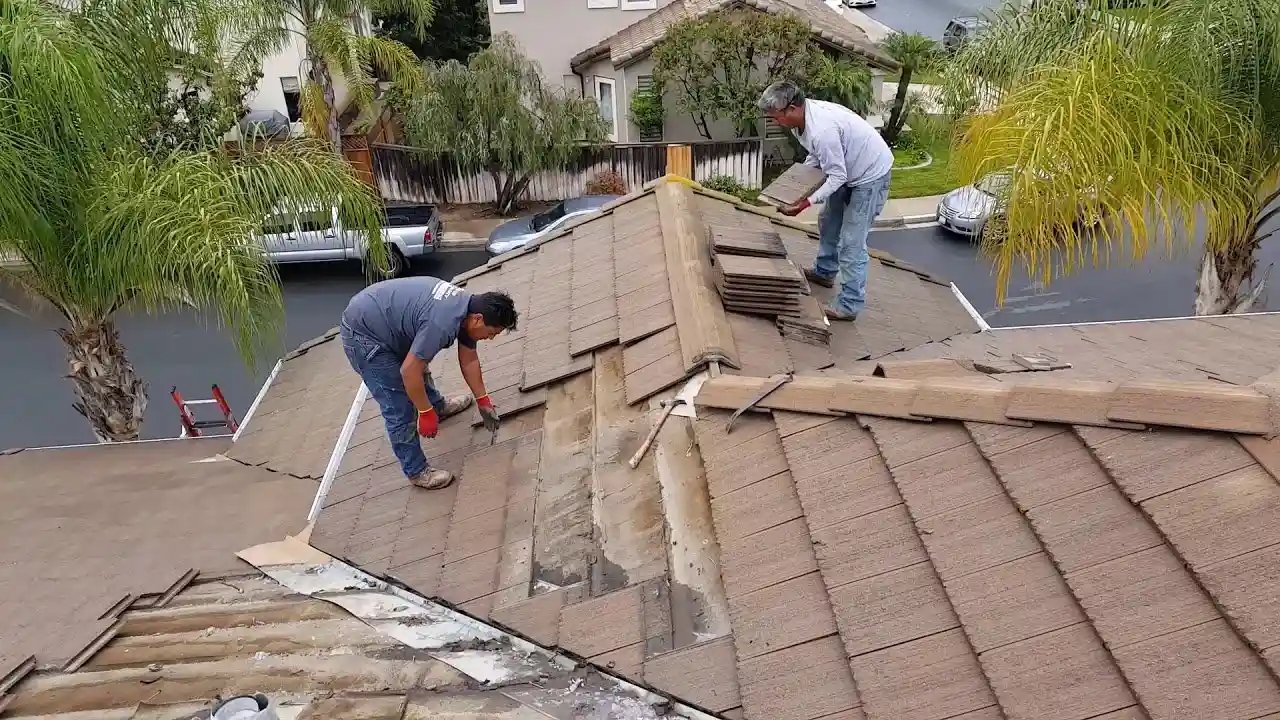
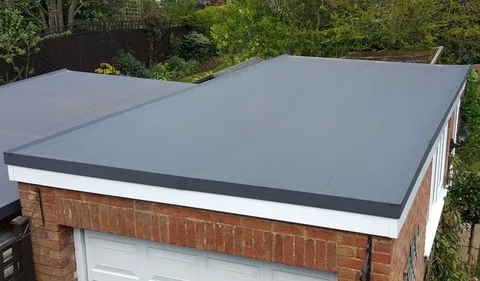
For example, a few cracked tiles after a storm, minor flashing damage around a chimney, or a localised flat roof split can usually be repaired without compromising the rest of the roof. In these cases, a skilled roofer can restore performance without unnecessary replacement.
Repairs also make sense when the roof is relatively young. A ten-year-old roof with a single defect does not justify a full roof replacement. The key factor is whether the problem is contained or recurring.
When Repairs Become False Economy
The tipping point comes when repairs stop solving the underlying issue. Multiple leaks in different areas, repeat water ingress despite previous fixes, or visible sagging often indicate deeper problems.
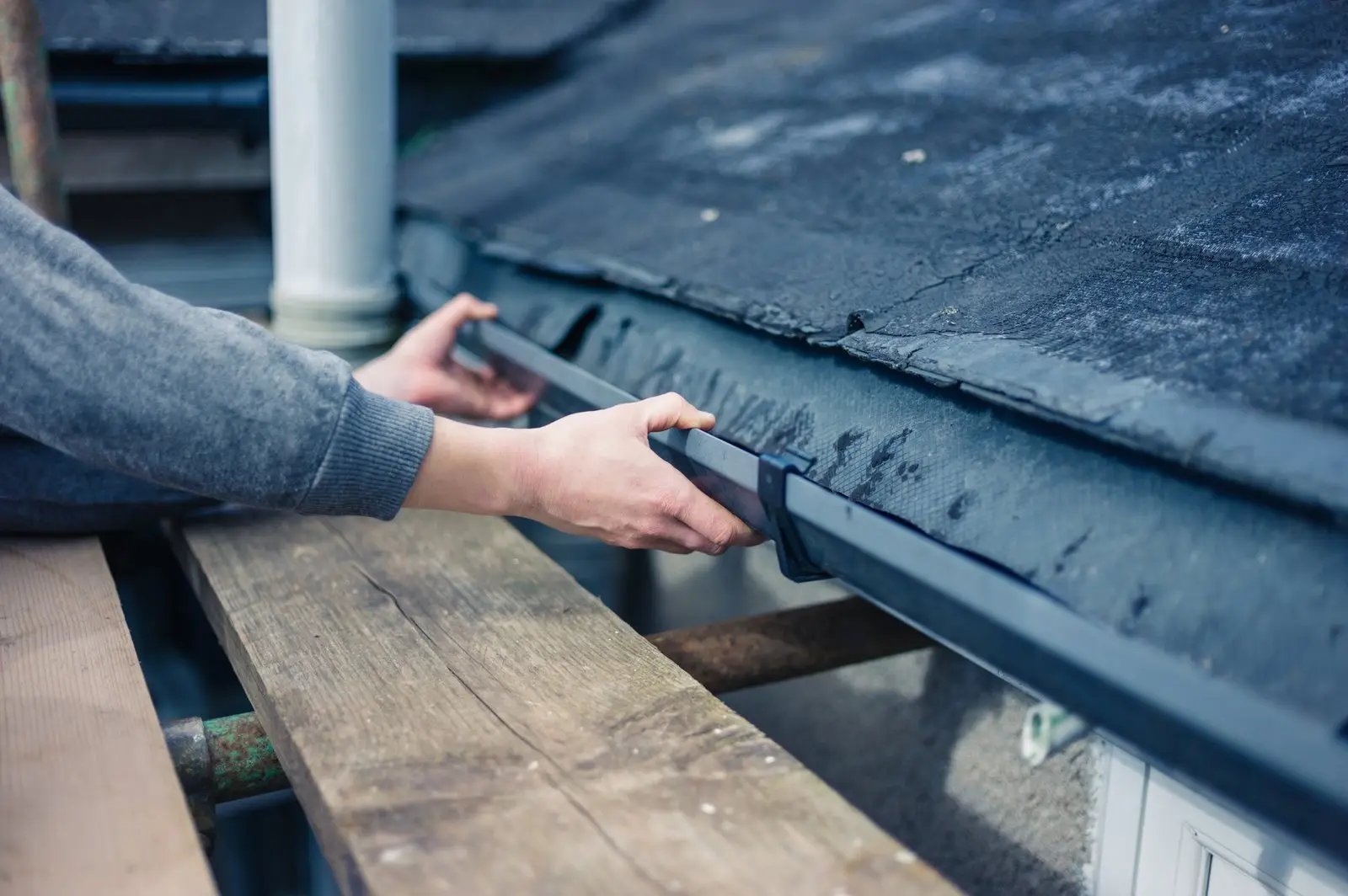
Moisture trapped within the roof structure causes timber decay and insulation failure. Each repair might address the symptom while the cause continues to spread. Over time, the combined cost of repeated callouts, internal repairs, and disruption often exceeds the price of replacement.
In Bournemouth, this pattern is common after prolonged exposure to coastal weather. Roofs that appear serviceable from the outside can deteriorate internally, especially if maintenance has been inconsistent.
The True Cost Comparison: Repair vs Roof Replacement
On paper, roof repairs always look cheaper. A few hundred pounds compared to several thousand is an easy decision. The real comparison should be made over five to ten years, not one invoice.
Repeated repairs add up quickly, especially if scaffolding is needed more than once. Internal damage caused by leaks increases costs further. Plasterwork, electrics, and insulation repairs are rarely factored into the initial roofing decision but matter greatly over time.
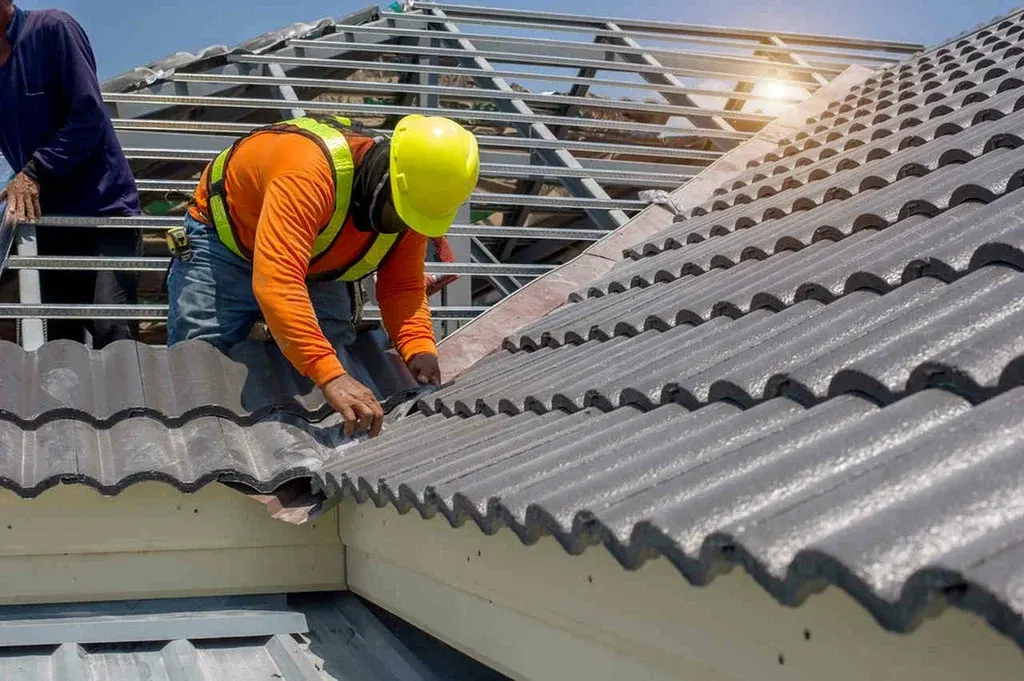
A roof replacement, while more expensive upfront, resets the clock. Modern materials are more durable, energy efficient, and designed to cope better with Bournemouth’s exposure. When viewed long-term, replacement often becomes the more economical option.
Roof Replacement and Property Value
A new roof is not just a repair decision. It is also an investment in the property itself. Buyers notice roofs, even if subconsciously. Surveyors certainly do.
A property with a recently replaced roof is easier to sell, attracts fewer price negotiations, and reassures lenders. In contrast, a roof with a history of patchwork repairs can raise red flags during surveys, leading to renegotiations or delays.
For landlords and commercial property owners, commercial roofing replacement can also reduce maintenance liabilities and improve tenant confidence.
Commercial Roofing: A Different Set of Rules
Commercial roofing decisions are often more strategic. Flat roofs, large surface areas, and business continuity concerns change the equation.
Frequent repairs on commercial roofs can disrupt operations and create safety risks. Many Bournemouth businesses choose planned roof replacement rather than reactive repairs to avoid downtime. Modern commercial roofing systems offer better drainage, longer warranties, and predictable maintenance schedules.
In these cases, replacement is often less about immediate damage and more about risk management.
How Roof Age Influences the Decision
Roof age is one of the strongest indicators. Most pitched roofs have a lifespan of around twenty-five to thirty years, depending on materials and maintenance. Flat roofs typically last less, although modern systems outperform older felt roofs significantly.
If your roof is nearing the end of its expected lifespan and repairs are becoming frequent, replacement is usually the smarter option. Continuing to repair an ageing roof often delays, rather than avoids, replacement.
Maintenance as the Middle Ground
Not every decision is binary. Proper maintenance can extend roof life and delay replacement when the structure is still sound.
Regular inspections, clearing debris, checking fixings, and addressing minor defects early make a significant difference. In Bournemouth, annual inspections are particularly valuable after winter storms. Maintenance does not eliminate the need for future roof replacement, but it can ensure that replacement happens on your terms rather than during an emergency.
Getting an Honest Roofing Assessment
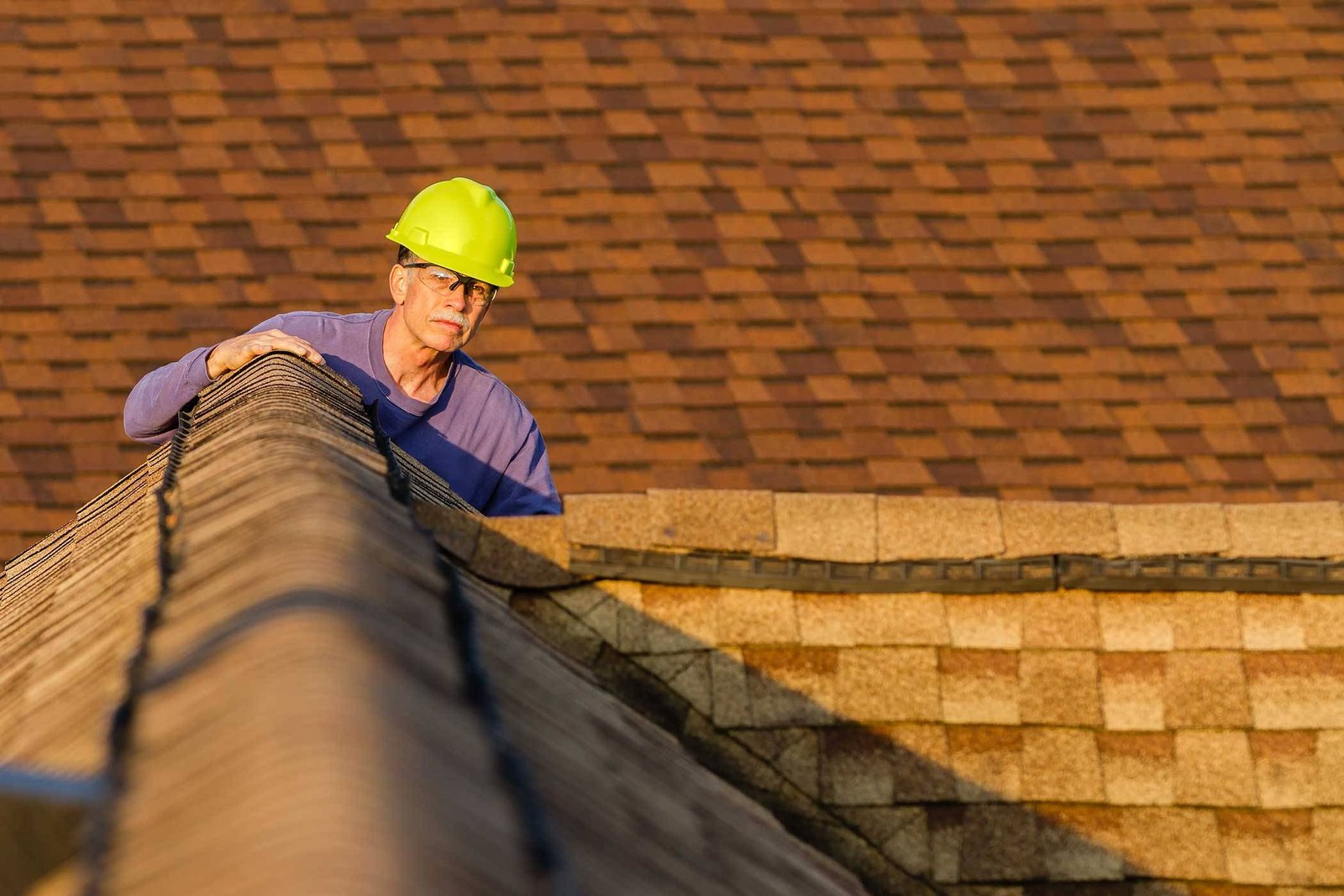
The biggest mistake property owners make is relying on assumptions. Some replace too early. Others repair for too long. A professional inspection should explain the condition of the roof, the realistic lifespan remaining, and the risks of delaying action.
A trustworthy roofer will outline both options clearly, including when repairs are sensible and when roof replacement is the safer long-term choice. Transparency is a strong indicator of expertise.
Final Thoughts: Is Roof Replacement Worth It?
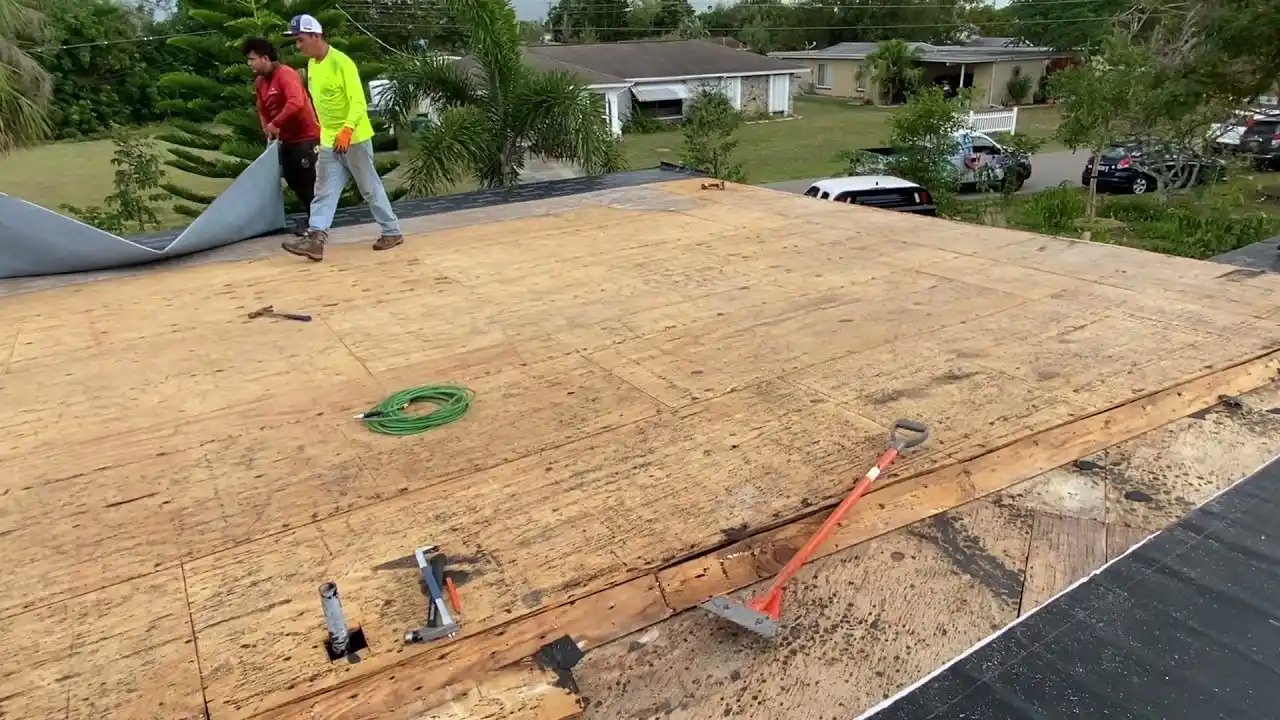
Roof replacement is worth it when repairs stop being effective, when the roof structure is compromised, or when long-term costs outweigh short-term savings. Repairs are worth it when damage is isolated and the roof still has meaningful life left.
In Bournemouth, local conditions accelerate roof wear, making this decision more time-sensitive than many homeowners expect. The right choice is rarely emotional or reactive. It is based on condition, cost over time, and risk.
Call to Action
If you are unsure whether to keep repairing or invest in roof replacement, a professional inspection can provide clarity. Speak to an experienced local roofer who understands Bournemouth’s conditions and can give honest guidance based on your roof, not a sales target.