There is a moment most homeowners remember clearly. You notice something feels slightly off. Maybe it is a faint stain that was not there last winter, or a draft upstairs that does not quite make sense. It is easy to ignore these things, especially when life is busy. But in a coastal town like Bournemouth, those early signs are rarely harmless.
Roof problems tend to arrive quietly. By the time water is dripping through the ceiling, the damage has usually been developing for months or even years. Knowing what to look for early can be the difference between a simple repair and a costly disruption.
Why Roofs in Bournemouth Need Closer Attention
Living near the coast brings many benefits, but it also places extra strain on your property. Salt in the air, driving rain, and sudden gusts of wind all take their toll on roofing materials. Tiles, flashing, and membranes age faster here than in many inland areas.
Even well-installed roofs are tested by Bournemouth’s weather patterns. Older homes, extensions with flat roofs, and properties that have had past roof installations done quickly or cheaply are particularly vulnerable. Regular awareness is not about being cautious. It is about being realistic.
The Subtle Signs That Often Appear First
Early roof issues rarely announce themselves dramatically. One of the most common signs is a small discolouration on the ceiling or high up on a wall. These marks often fade during dry spells, only to return after heavy rain. That cycle is a strong indicator of moisture ingress.
Another overlooked sign is a persistent musty smell in upstairs rooms or loft spaces. This usually points to trapped moisture rather than an active leak, which makes it easy to dismiss. Over time, damp insulation loses its effectiveness and creates ideal conditions for mould and timber decay.
You may also notice paint bubbling or wallpaper peeling near the ceiling line. While condensation is often blamed, repeated moisture exposure from above is a frequent cause in properties needing Roof Repairs in Bournemouth.
What Your Roof Might Be Telling You From The Outside
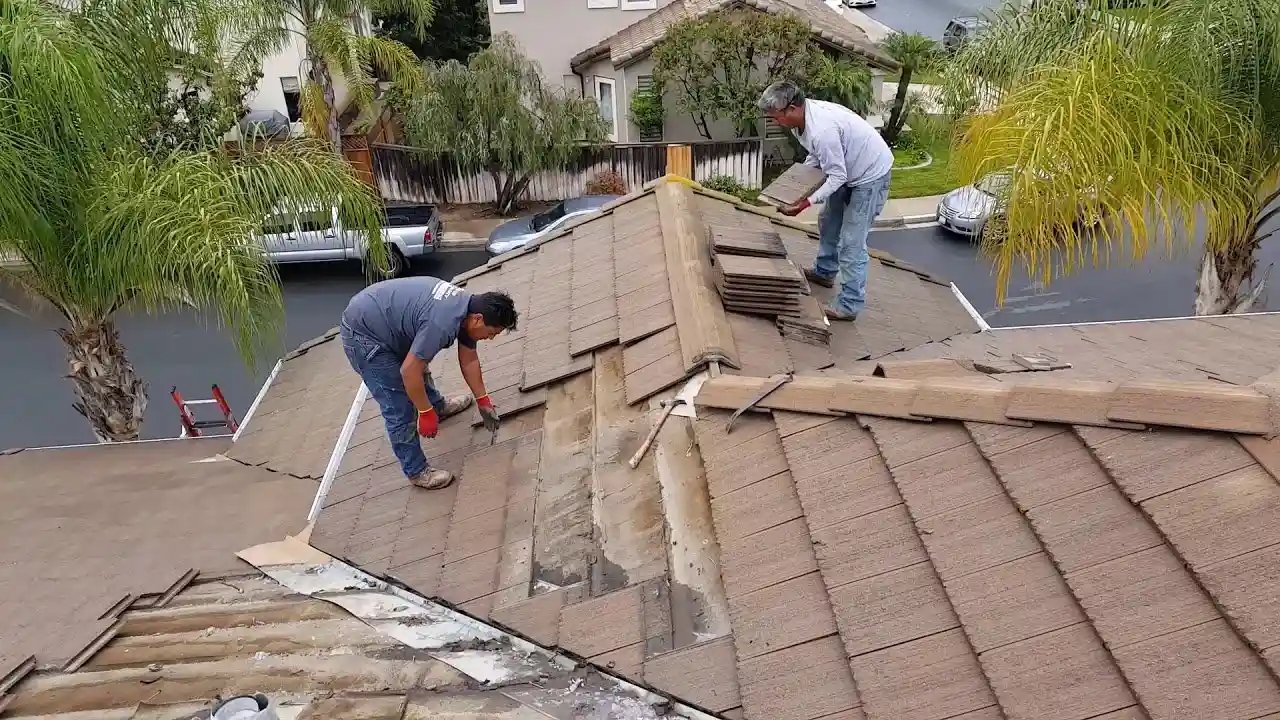
Many early warnings are visible without stepping onto the roof. A quick look from ground level can reveal tiles that are cracked, slipped, or sitting unevenly. Even one damaged tile can allow water to reach the layers beneath.
Moss growth is another sign homeowners often underestimate. Moss holds moisture against the roof surface, slowing drainage and accelerating wear. In coastal conditions, this retained moisture can cause tiles to pit or crack far sooner than expected.
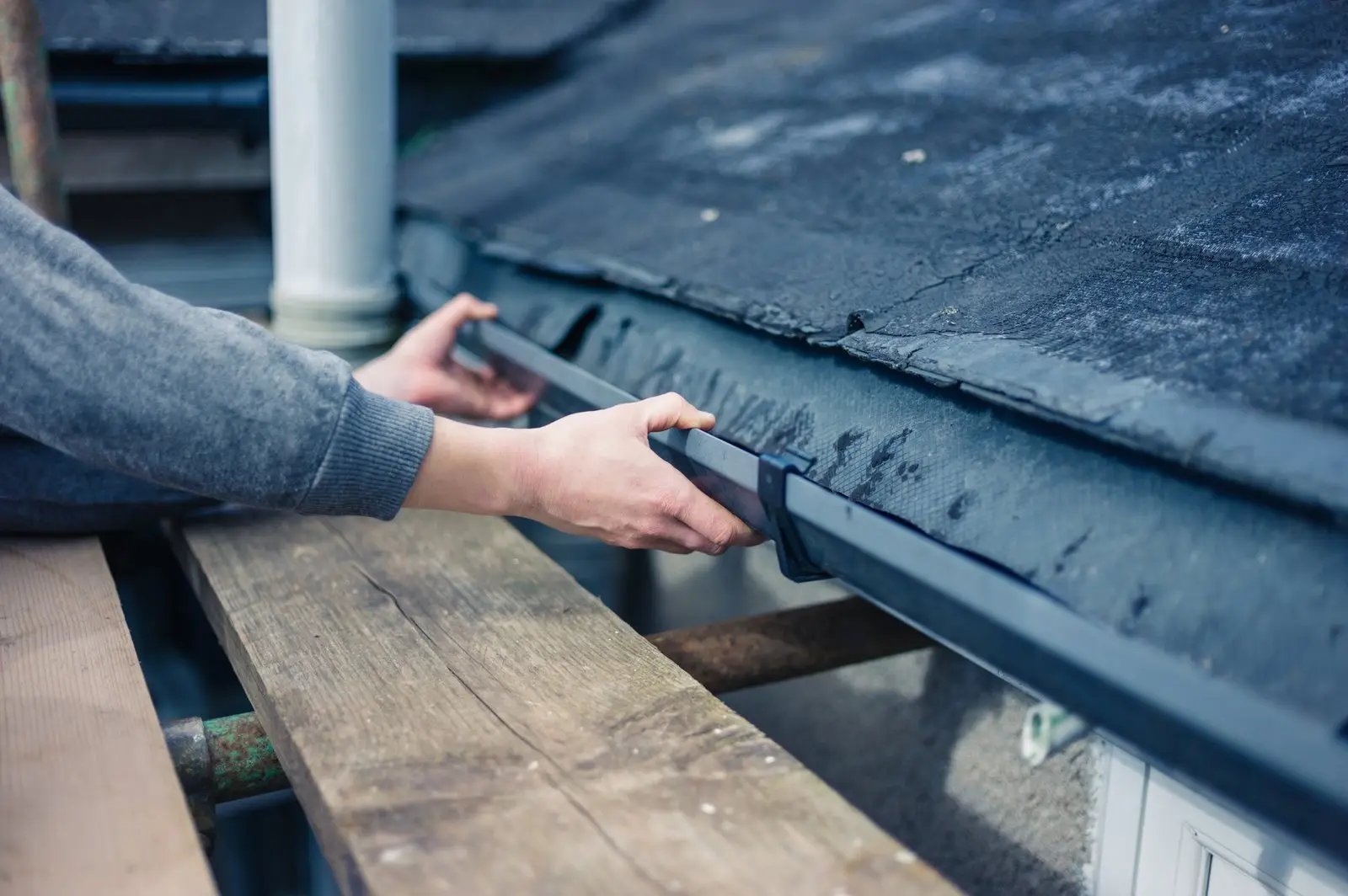
Gutters also deserve attention. If water spills over the edge during rainfall, it may indicate more than a blockage. Poor runoff can push water back under roof edges, increasing the risk of leaks and timber damage.
What to Look For Inside The Loft
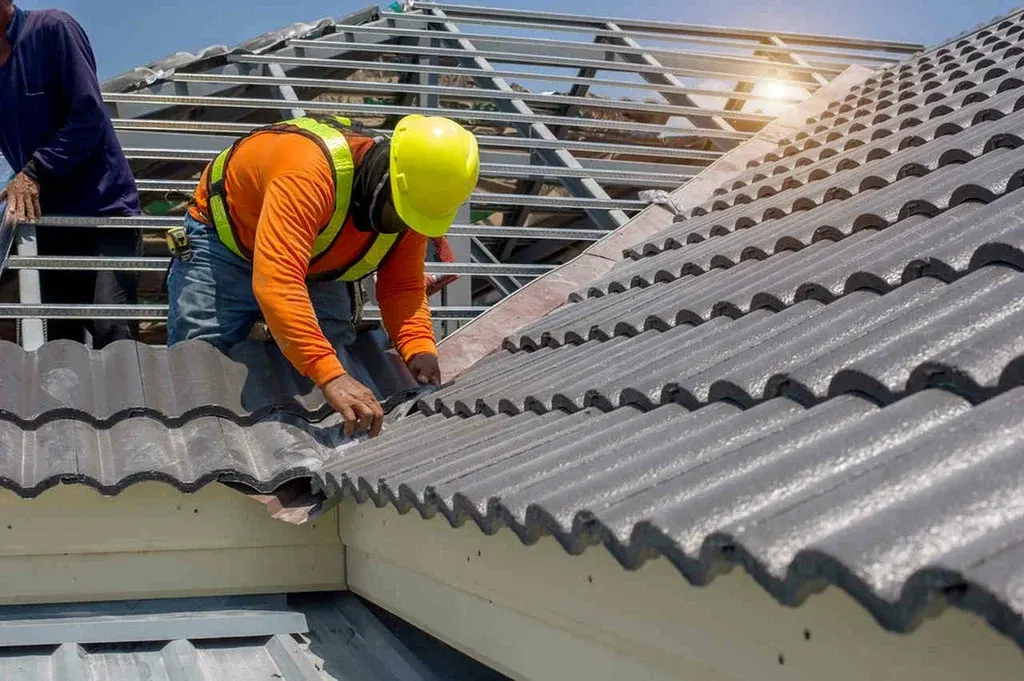
The loft is often where roof problems reveal themselves first. If daylight is visible through the roof structure, even in tiny points, there is a clear path for water to follow. Felt or membranes that feel brittle, torn, or damp are another warning that the roof is no longer weather-tight.
Timber rafters should feel solid and dry. Dark staining, a spongy texture, or a damp smell all suggest prolonged moisture exposure. These issues are commonly identified during commercial roofing inspections, but they are just as relevant in residential homes.
How Small Problems Quietly Escalate
One of the biggest misconceptions about roofing is that minor issues remain minor. In reality, water spreads. A slow leak can soak insulation, weaken timber, and eventually affect electrics and plasterwork far from the original entry point.
Local repair data consistently shows that early intervention costs significantly less than reactive repairs. What starts as a single tile replacement can become structural work if left unresolved through multiple seasons.
Flat Roofs and Commercial Properties
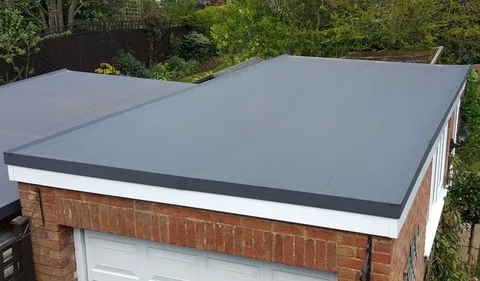
Flat roofs, often found on extensions and commercial buildings, show different early warning signs. Pooling water that remains days after rainfall suggests drainage or surface issues. Blistering, cracking, or bubbling in the roof covering indicates trapped moisture beneath.
For businesses, these problems carry additional risks. A leaking commercial roof can disrupt operations, damage equipment, and create safety concerns for staff and customers. Early assessment is especially important in commercial roofing environments where downtime has real costs.
When The Age of Your Roof Matters
All roofs have a lifespan. Tiled roofs often begin showing age-related wear after two to three decades, depending on exposure and maintenance. Felt and flat roof systems typically require attention sooner.
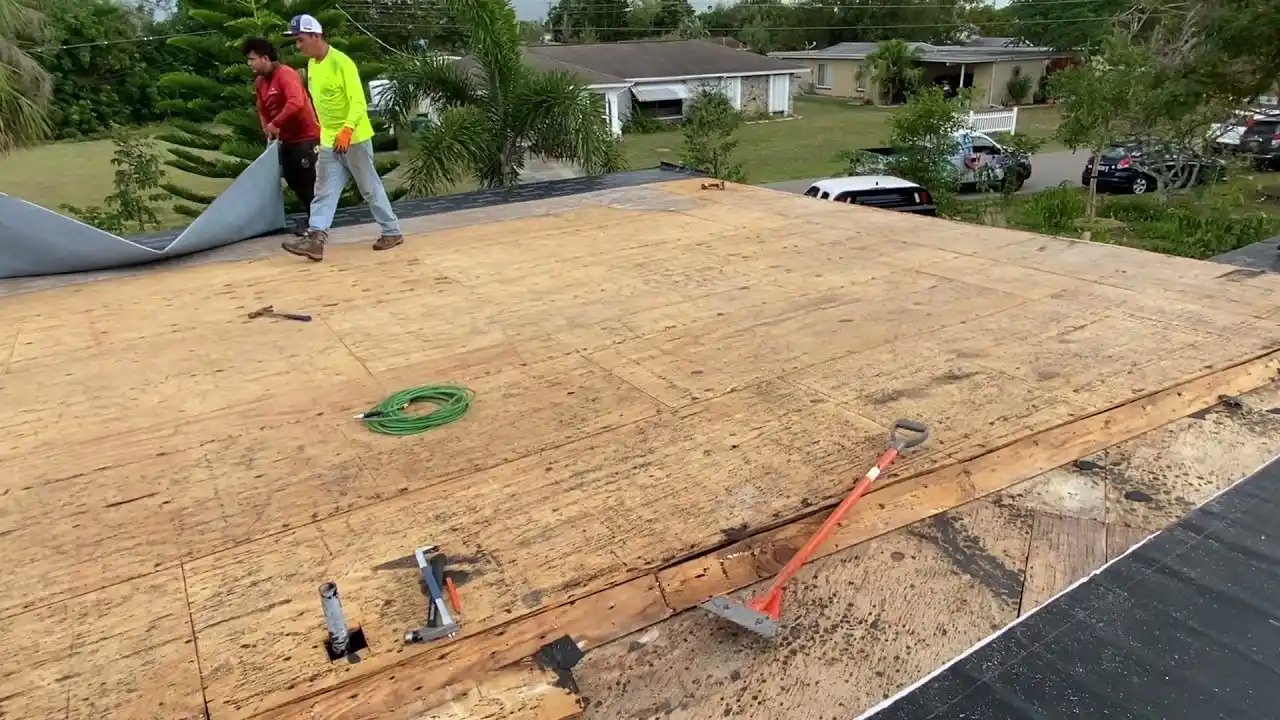
If your property is approaching these milestones, inspections become less optional and more preventative. Roof installations completed many years ago may not meet current standards, leaving them more vulnerable to Bournemouth’s coastal climate.
Why Professional Inspections Make Sense
While visual checks are helpful, they have limits. Experienced roofers know where problems typically start and how to assess whether a repair will genuinely solve the issue. They also understand local construction styles and materials commonly used in Bournemouth properties.
Importantly, a professional inspection does not automatically mean replacement. In many cases, targeted Roof Repairs in Bournemouth are enough to extend the roof’s life and restore confidence.
Frequently asked questions from Bournemouth homeowners
Homeowners often ask how often a roof should be checked. In coastal areas, an annual inspection is sensible, with additional checks after severe storms or high winds.
Another common concern is whether a small leak can wait. In most cases, delaying action increases costs. Water rarely stays contained, and hidden damage can spread unnoticed.
Many people also ask whether moss removal is necessary. In Bournemouth’s damp conditions, moss is more than cosmetic. Left untreated, it accelerates deterioration and increases the risk of leaks.
Finally, homeowners often wonder whether repairs are possible instead of full roof installations. When issues are caught early, repairs are usually sufficient. Long-term neglect is what limits options.
Knowing When It Is Time to Act
The challenge for most homeowners is deciding when a sign is serious enough to act on. A simple rule applies. If something has changed and it was not there before, it deserves attention.
Roofs do not heal themselves. Acting early protects your property, preserves energy efficiency, and avoids unnecessary stress later on.
Final Thoughts
Roof problems rarely start loudly, but they do not stay quiet forever. In a place like Bournemouth, where weather conditions are consistently demanding, awareness is one of the most valuable tools a homeowner can have.
If you have noticed any of these early signs, speaking to a local roofing specialist could save you significant time and expense. Early advice leads to clearer options and better outcomes.
If you are unsure whether your roof needs attention or simply want peace of mind, arranging a professional assessment is a sensible next step. When it comes to roofing, early action is almost always the smarter choice.