If you live in Bournemouth and you have already paid for roof repairs, it can be deeply frustrating to see the same damp patch reappear on the ceiling a few months later. Many homeowners assume the repair was done poorly. Sometimes that is true. More often, the real cause runs deeper and is tied to how coastal homes age, how water behaves, and how roofing problems are diagnosed in the first place.
Roof leaks are rarely caused by a single obvious failure. In Bournemouth, they tend to be the result of small, compounding issues that are easy to miss and even easier to underestimate.
The Coastal Factor Most Homeowners Overlook
Bournemouth’s coastal climate is a major reason roof leaks return. Salt-laden air, persistent moisture, and strong onshore winds accelerate wear on roofing materials. Even roofs that look sound from ground level can suffer microscopic cracks, corrosion around fixings, and weakened sealants.
Over time, these minor failures allow water to enter in unpredictable ways. A leak that shows above a bedroom ceiling may not sit directly above the damaged area. Water can travel along timbers, under felt layers, and across insulation before it becomes visible indoors. This is why patch repairs often fail. The visible damage is treated, but the real entry point remains untouched.
Temporary Fixes That Never Address The Real Problem
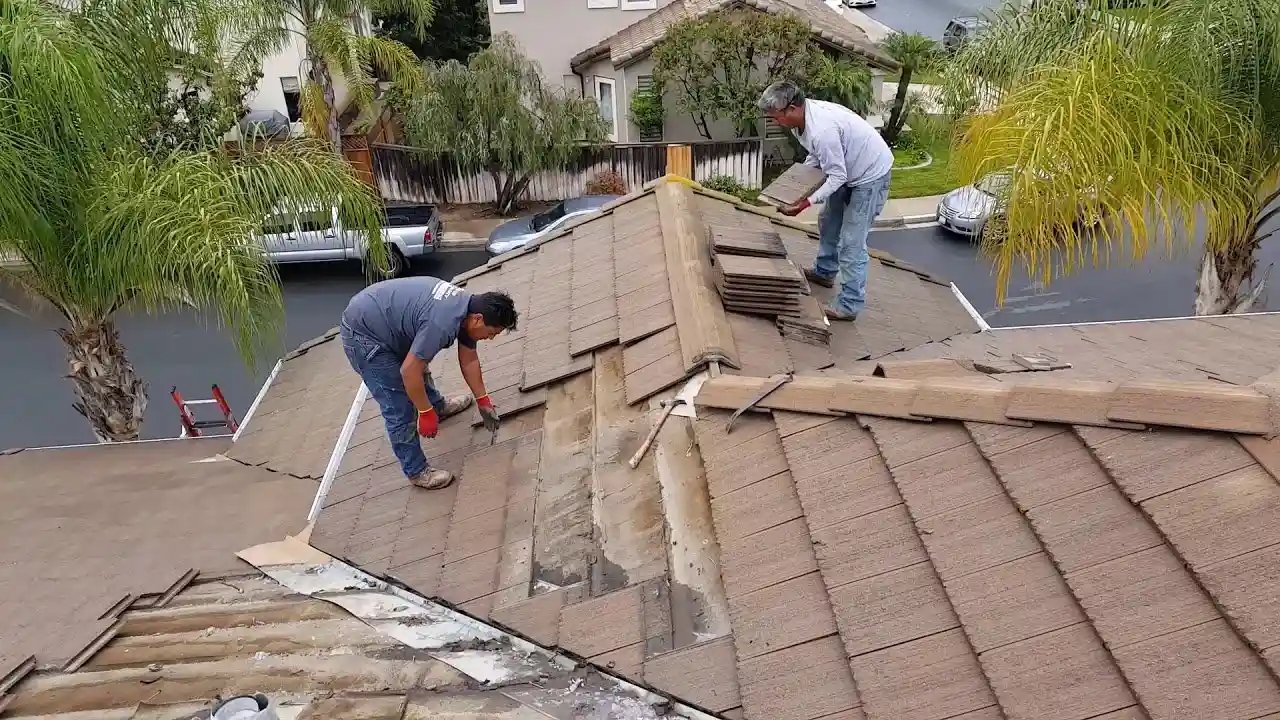
One of the most common reasons roof leaks keep coming back is the use of short-term fixes. A cracked tile is replaced, some sealant is applied, and the issue appears resolved. Until the next period of heavy rain.
Professional roof repairs should always begin with tracing the water’s path, not just repairing the final symptom. In many Bournemouth homes, the leak originates from flashing around chimneys, degraded underlay, or junctions where different roof sections meet. These areas are exposed to wind-driven rain and thermal movement, both of which worsen over time.
Old Roofing Systems Meeting Modern Weather Patterns
Many homes in Bournemouth were built decades ago, using roofing systems designed for different weather patterns and lower insulation standards. Today, heavier rainfall and more intense storms place extra stress on these older structures.
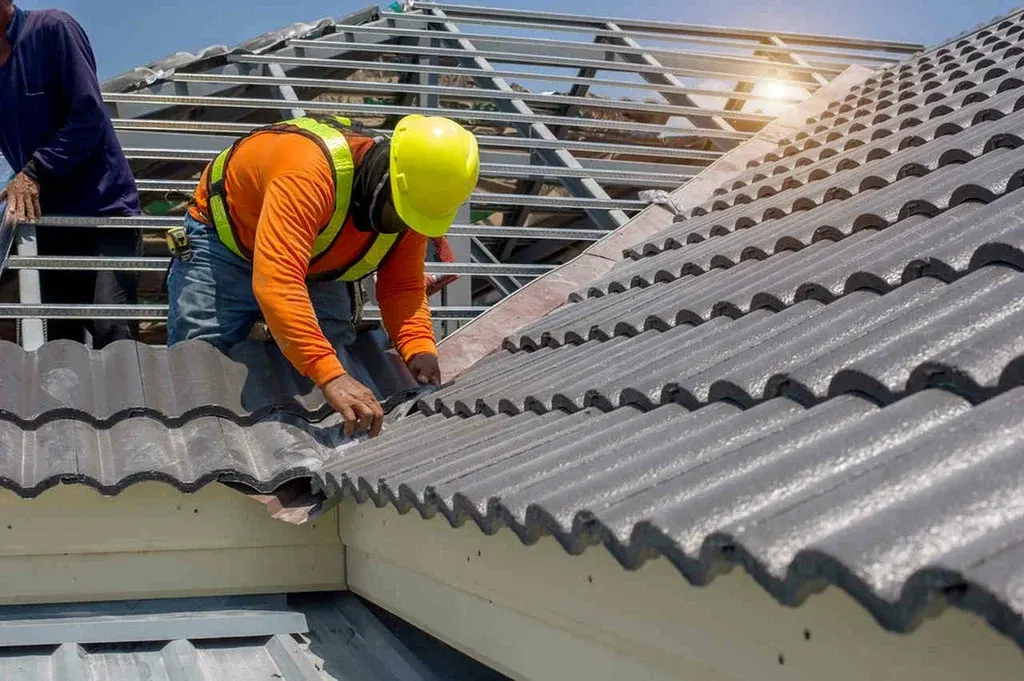
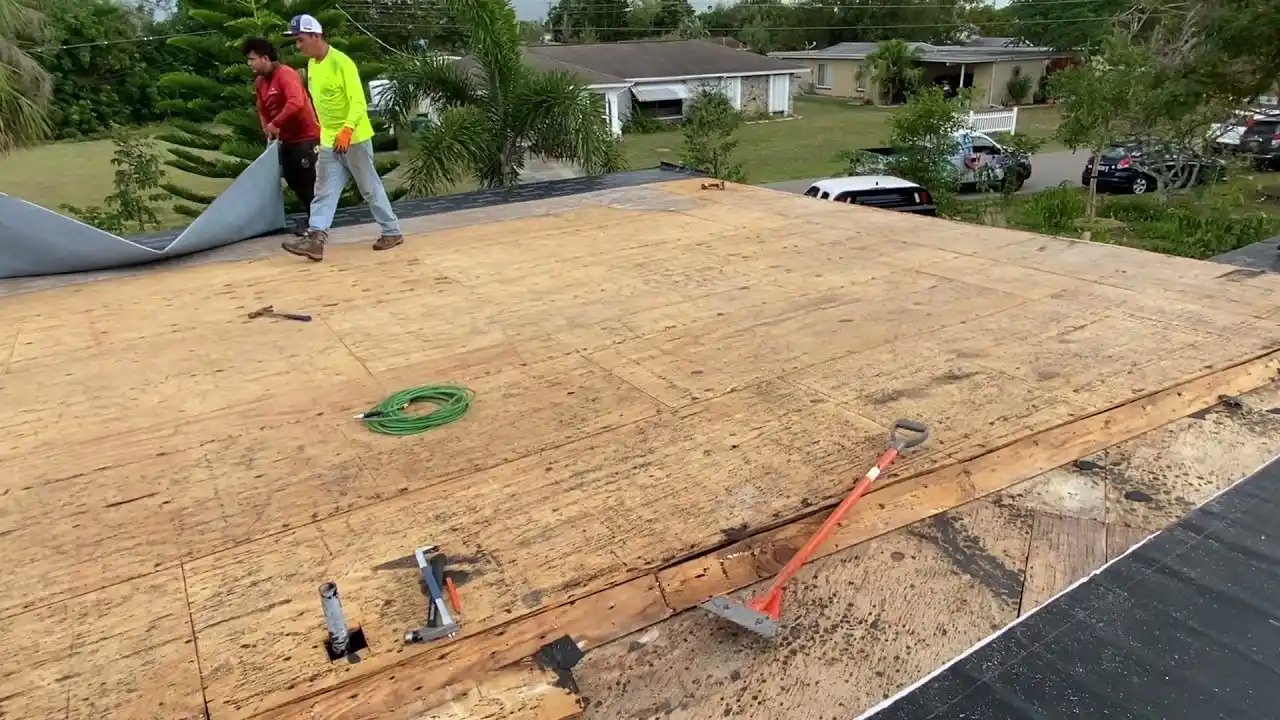
Traditional felt underlay, for example, becomes brittle with age. Once it tears, water can bypass tiles entirely. At that point, no amount of surface-level roof repairs will provide a lasting solution. In these cases, partial or full roof installations may be the only realistic option to stop leaks permanently.
Poor Workmanship and Rushed Inspections
Not all roofers work to the same standard. In a busy coastal town, emergency call-outs are common, especially after storms. Rushed inspections often miss secondary issues that will cause future leaks.
A proper inspection takes time. It involves checking internal roof spaces, assessing ventilation, and understanding how previous repairs were carried out. Without this level of care, even well-intentioned repairs may fail.
Gutters and Drainage Playing a Hidden Role
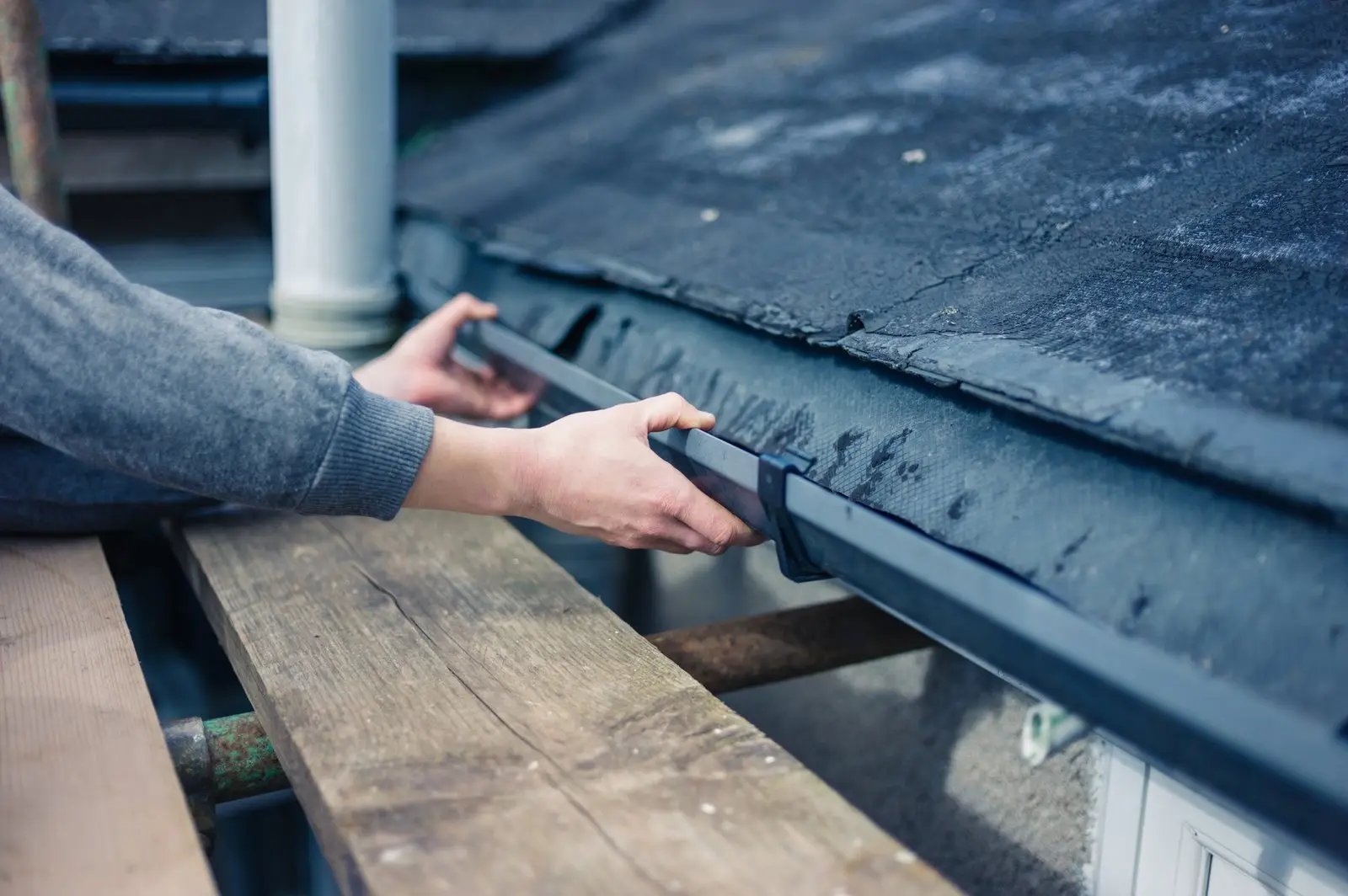
Roof leaks are not always caused by the roof itself. Blocked or poorly aligned gutters can force water back under tiles and into roof structures. In Bournemouth, falling leaves, moss growth, and wind-blown debris make this a frequent issue.
When water cannot drain correctly, it finds alternative routes. Over time, this leads to damp timbers, mould growth, and recurring leaks that seem unrelated to guttering at first glance. Regular maintenance is essential, yet often neglected until damage is already done.
Ventilation Problems That Trap Moisture
Modern homes are better insulated, but insulation without adequate ventilation can create new problems. Warm, moist air rises into the roof space where it condenses on cold surfaces. This moisture can mimic a roof leak, staining ceilings and weakening structural elements.
In some cases, homeowners pay for repeated roof repairs when the real issue is condensation caused by poor airflow. A professional assessment will differentiate between true roof leaks and moisture-related problems, saving time and money in the long run.
Why Cheap Repairs Often Cost More Over Time
It is understandable to want the quickest and cheapest fix, especially when a leak appears minor. However, repeated low-cost repairs often add up to more than a properly planned solution.
Investing in thorough diagnostics, quality materials, and experienced workmanship reduces the likelihood of recurring issues. In many Bournemouth homes, strategic upgrades during roof installations or major repairs offer better long-term value than constant patchwork.
When Replacement Becomes The Smarter Option
There comes a point where ongoing repairs no longer make sense. If a roof has widespread underlay failure, persistent leaks in multiple areas, or structural timber damage, replacement may be the safest and most cost-effective route.
A new roofing system, designed for coastal conditions and current building standards, can eliminate recurring leaks while improving energy efficiency and property value.
Choosing The Right Professional Matters
Experience matters, particularly in coastal areas. A roofer familiar with Bournemouth’s conditions will understand common failure points and how to address them properly. Look for professionals who are transparent about their findings, explain the cause of the problem clearly, and provide evidence-based recommendations.
Trust is built through careful inspection, clear communication, and repairs that last.
Frequently Asked Questions
Why do roof leaks often reappear after repairs?
Most recurring roof leaks are caused by underlying issues that were not addressed during the initial repair. Water often enters through one point but appears elsewhere, making accurate diagnosis essential.
Are roof leaks worse in coastal areas like Bournemouth?
Yes. Salt air, strong winds, and frequent rain accelerate material degradation, making roofs more vulnerable to long-term damage and repeated leaks.
Can condensation be mistaken for a roof leak?
Absolutely. Poor ventilation can cause moisture build-up that looks like a leak. A professional inspection can identify the difference and prevent unnecessary repairs.
How do I know if I need roof repairs or a full replacement?
If leaks are frequent, widespread, or linked to ageing materials, replacement may be more cost-effective. An experienced roofer can advise based on the roof’s condition.
How often should a roof be inspected in Bournemouth?
Ideally once a year and after major storms. Regular inspections help catch small issues before they turn into recurring leaks.
Final Thoughts and Next Steps
Roof leaks are rarely simple, especially in Bournemouth’s coastal environment. When leaks keep coming back, it is a sign that the real cause has not been fully understood or addressed.
If you are tired of temporary fixes and want a long-term solution, seek a thorough inspection from a roofing professional who understands local conditions. Proper diagnosis, quality workmanship, and honest advice make all the difference between another short-lived repair and lasting peace of mind.